
If you're into crypto, you get that learning is key. Knowing your stuff can stop you from panicking when the market dips and help you stick to your plan.
But here's the thing:
Crypto info is everywhere these days. You've got YouTubers, paid classes, Discord groups, trading schools, newsletters, and so-called gurus promising big money. Some are helpful, but others? Not so much.
So, how do you pick the right place to learn about crypto?
We'll compare some popular platforms based on how they teach, how deep they go, how they're set up, and who they're good for. This should help you choose with confidence.
Why One Size Doesn't Fit All
Before we jump in, remember that the best platform really depends on you.
Ask yourself:
- Are you brand new to this, or have you traded before?
- Do you learn best by watching, reading, or doing?
- Do you want organized lessons or to learn on your own?
- Are you interested in investing, trading, or knowing how blockchain works?
Once you know what you're looking for, it's easier to pick.
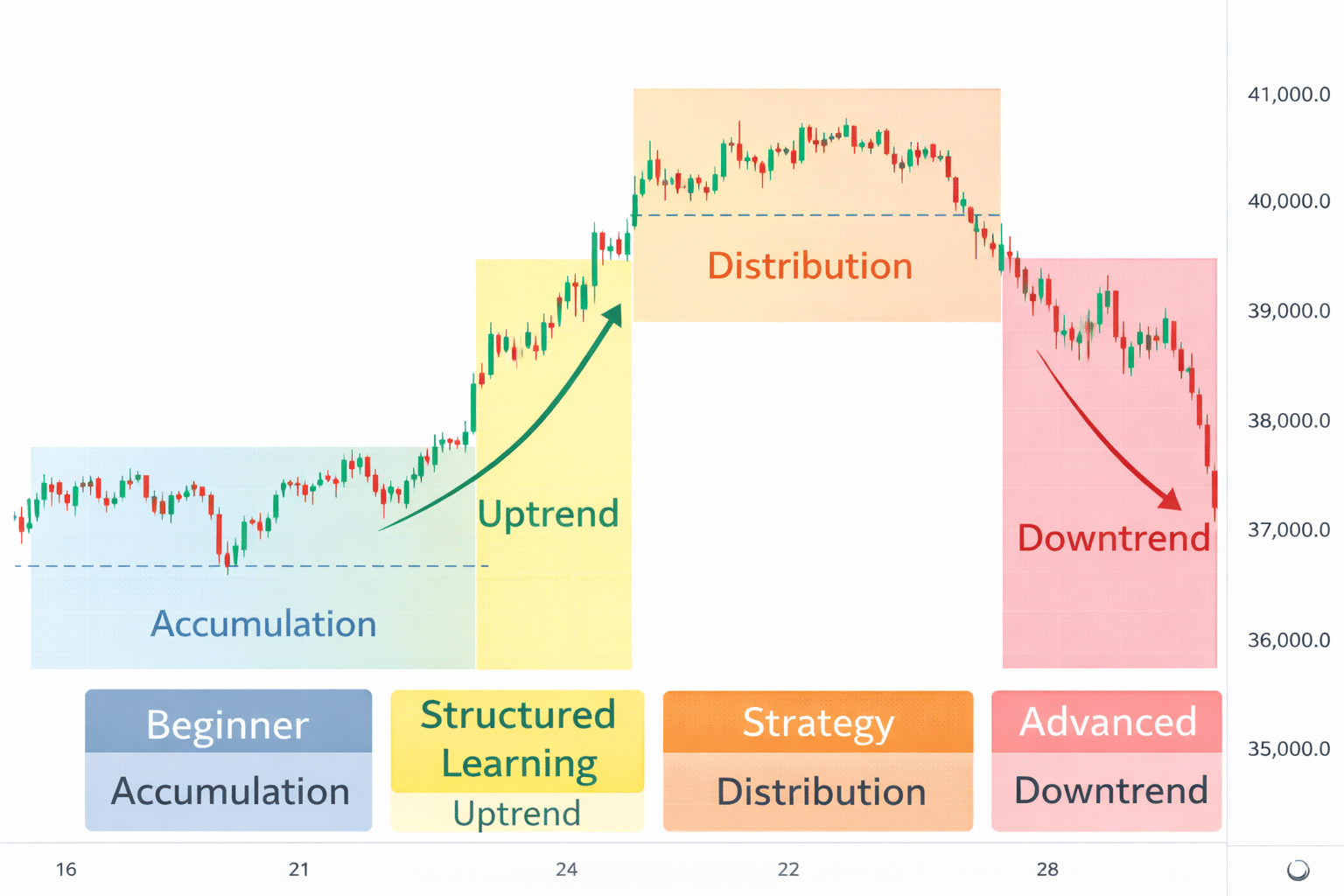
1. Online Crypto Schools (Organized Learning)
Good for: Newbies and those who want to learn for the long haul.
Crypto schools are usually the most organized and easy to follow. They often have courses that cover:
- Blockchain basics
- Wallets and exchanges
- How to read charts
- Handling risk
- How your head affects your trading
Pros:
- Clear learning paths
- Learn things in order, from basic to advanced
- Often have quizzes or practice
Cons:
- Can be slow if you already know some things
- Not all platforms are good
These are great if you want a classroom feel without the craziness of social media.
2. Trading-Focused Platforms
Good for: Active traders and those who want to create strategies.
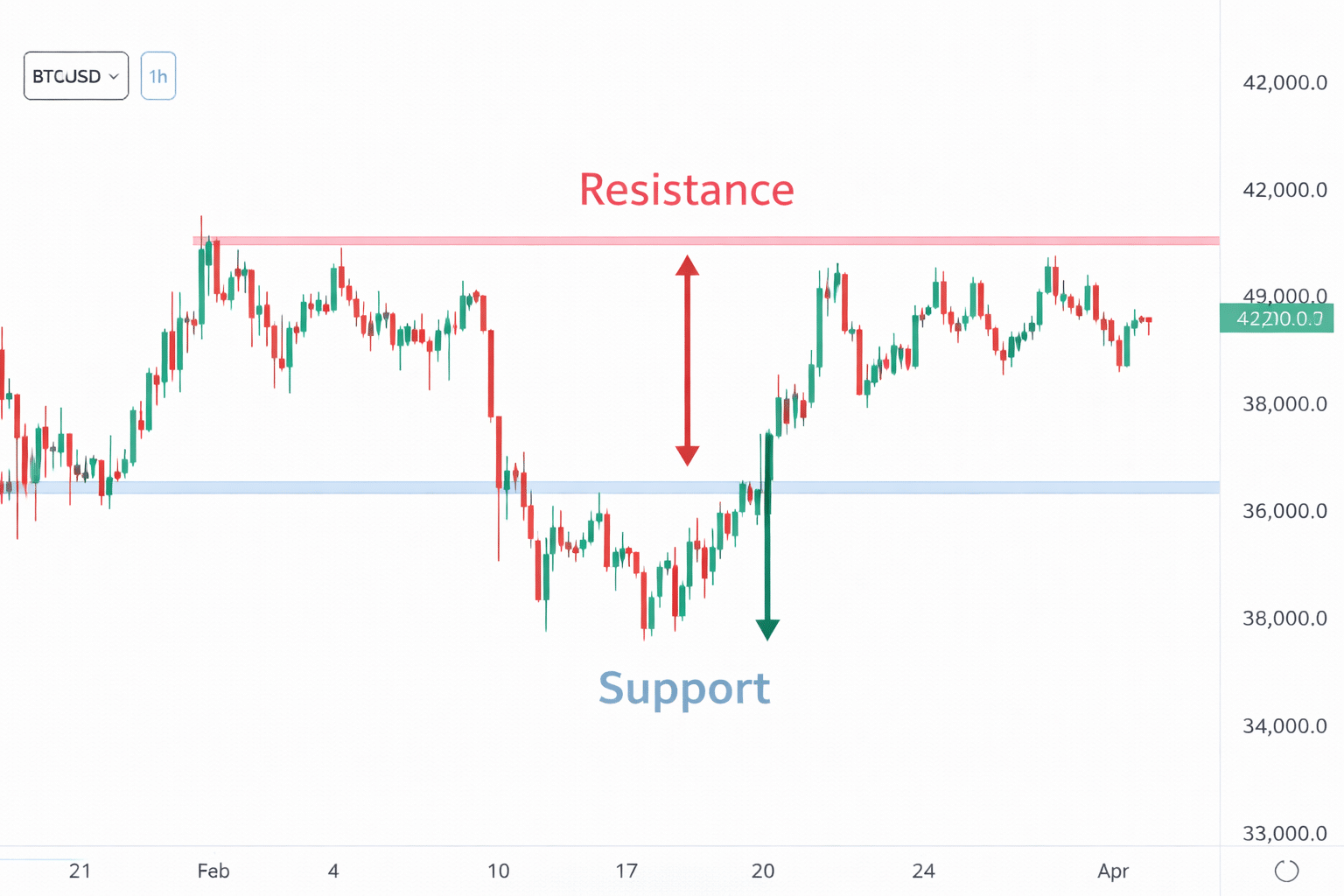
Some platforms really focus on trading skills, not just the theory. These usually have:
- Live market breakdowns
- Strategy guides
- Charting guides
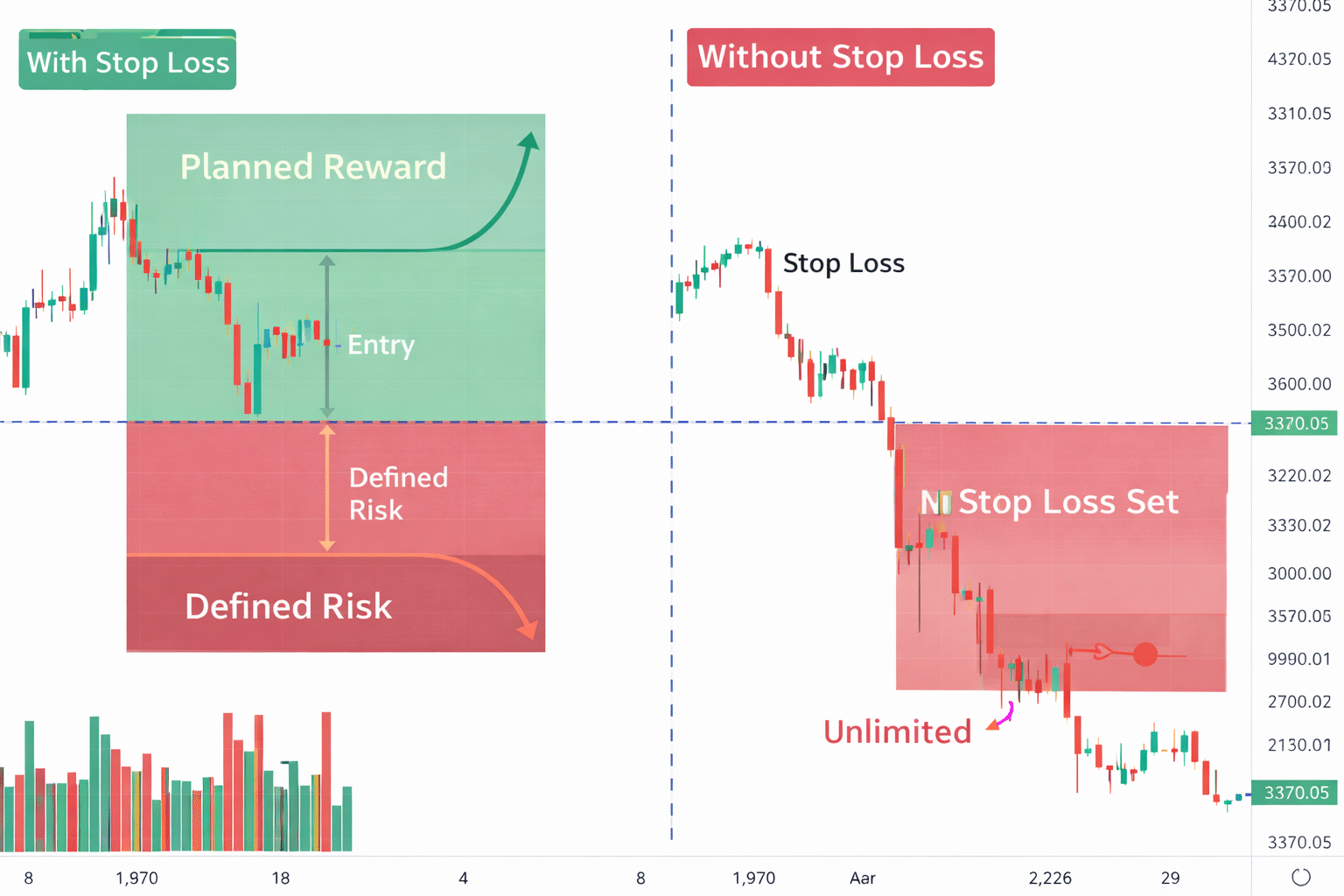
- Risk-to-reward examples
These platforms focus on making smart choices, not getting rich quick.
Pros:
- Real-world examples
- Focus on staying disciplined and managing risk
- Often updated with what's happening in the market
Cons:
- Can be too much for beginners
- Takes time and focus
If you're serious about trading (not just gambling), check these out.
3. YouTube and Free Stuff
Good for: People who just want to learn a bit and explore.
Let's be real – most people start learning about crypto on YouTube, and that's okay.
Some creators actually teach:
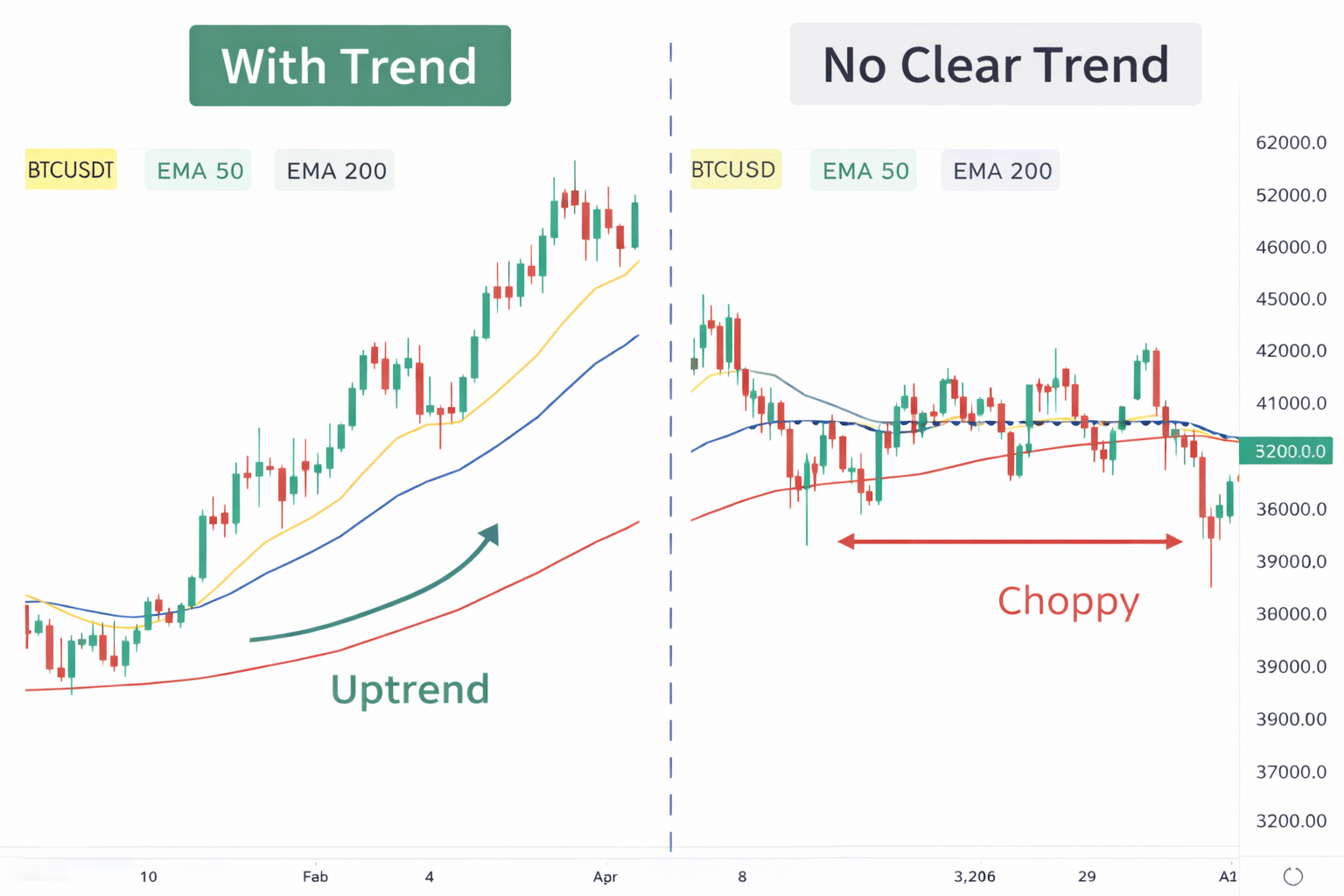
- Chart patterns
- How the market is structured
- News analysis
- Basics for beginners
Pros:
- Free and easy to get to
- Good for finding out about different topics
- Learn at your own speed
Cons:
- Not always good quality
- Often based on hype and feelings
- Not usually organized
YouTube is best as a side dish, not the main course. Think of it as a library, not a school.
4. Community Learning
Good for: People who like to learn with others and get feedback fast.
Some platforms are based around communities – Discord, Telegram, or private forums. These can have:
- Group talks
- Trade ideas
- Market updates
- Support from others
Pros:
- Talk in real-time
- Learn from other people's mistakes and wins
- Motivating
Cons:
- Too much info
- Risk of blindly following others
- Quality depends on who's in charge.
Community learning is best when you already have some knowledge.
5. Blockchain & Dev Platforms
Good for: Techy people
Not everyone wants to trade. Some want to know how crypto works – smart contracts, DeFi, NFTs, or Web3.
These platforms focus on:
- Blockchain basics
- Coding and smart contracts
- How ecosystems are designed
Pros:
- Know the tech inside and out
- Good for your career long-term
- Less hype
Cons:
- Not focused on trading
- Harder to learn
If you're curious about the tech behind crypto, this is the way to go.
How to Compare Platforms (Key Things to Look At)
When checking out any platform, think about:
- Structure: Is the content organized, or is it all over the place?
- Transparency: Does the platform talk about risk and losses, or just profits?
- Updates: Crypto changes fast. Old info can be dangerous.
- Teaching Style: Clear explanations are better than fancy charts.
- Goals: A platform for traders won't be good for long-term investors, and vice versa.
Red Flags to Watch Out For
Watch out for these:
- Promises of guaranteed profit
- Pressure to act now!
- Hidden costs
- No talk about losses or risk
Real education teaches skills, not promises.
So, What's the Best Platform?
Honestly?
The best one fits your experience and how you learn.
- Newbies should go for structured education.
- Traders should look for platforms focused on strategy.
- Those just curious can start with free stuff.
- Techy people should look into blockchain education.
Most successful crypto learners use a few platforms as they get better.
Final Thoughts
Learning about crypto isn't about being perfect. It's about understanding risk, building confidence, and making smarter choices as time goes on.
Take your time, learn safely, and remember – learning is the only crypto investment that always pays off.
