
When it comes to crypto trading, it’s not always about chasing the biggest profits—it’s about keeping what you’ve already earned. The crypto market can be thrilling, but it’s also one of the most volatile financial spaces out there. Prices can skyrocket in minutes and crash just as fast. That’s why protecting your capital should always come first.
Whether you’re a beginner trying to make your first trade or a seasoned investor looking to stay ahead, these essential crypto trading tips will help you trade smarter, reduce emotional decisions, and build a strategy designed for long-term success.
1. Always Start With a Trading Plan
Before you place any trade, you should have a clear plan. A trading plan outlines your entry and exit points, risk tolerance, and profit targets.
Think of it as your personal rulebook—it prevents impulse trading when emotions kick in.
A good plan should include:
- The maximum amount you’re willing to lose per trade (usually 1–2% of your total portfolio).
- A defined stop-loss level to limit downside risk.
- Realistic take-profit levels so you know when to lock in gains.
Having a plan helps you make decisions based on logic, not emotion—an absolute must in a fast-moving crypto market.
2. Use Stop-Loss Orders (Seriously, Use Them!)
One of the biggest mistakes new traders make is not setting a stop-loss order.
A stop-loss automatically sells your position when the price drops to a certain level, helping you avoid devastating losses if the market turns against you.
For example, if you buy Bitcoin at $60,000, you could set a stop-loss at $57,000. That way, you cap your losses at 5%, rather than watching your investment free-fall during a sudden crash.
Stop-losses protect your capital and keep you in the game for the next opportunity.
3. Don’t Trade With Emotions
Crypto moves fast—and that can trigger fear, greed, and impatience.
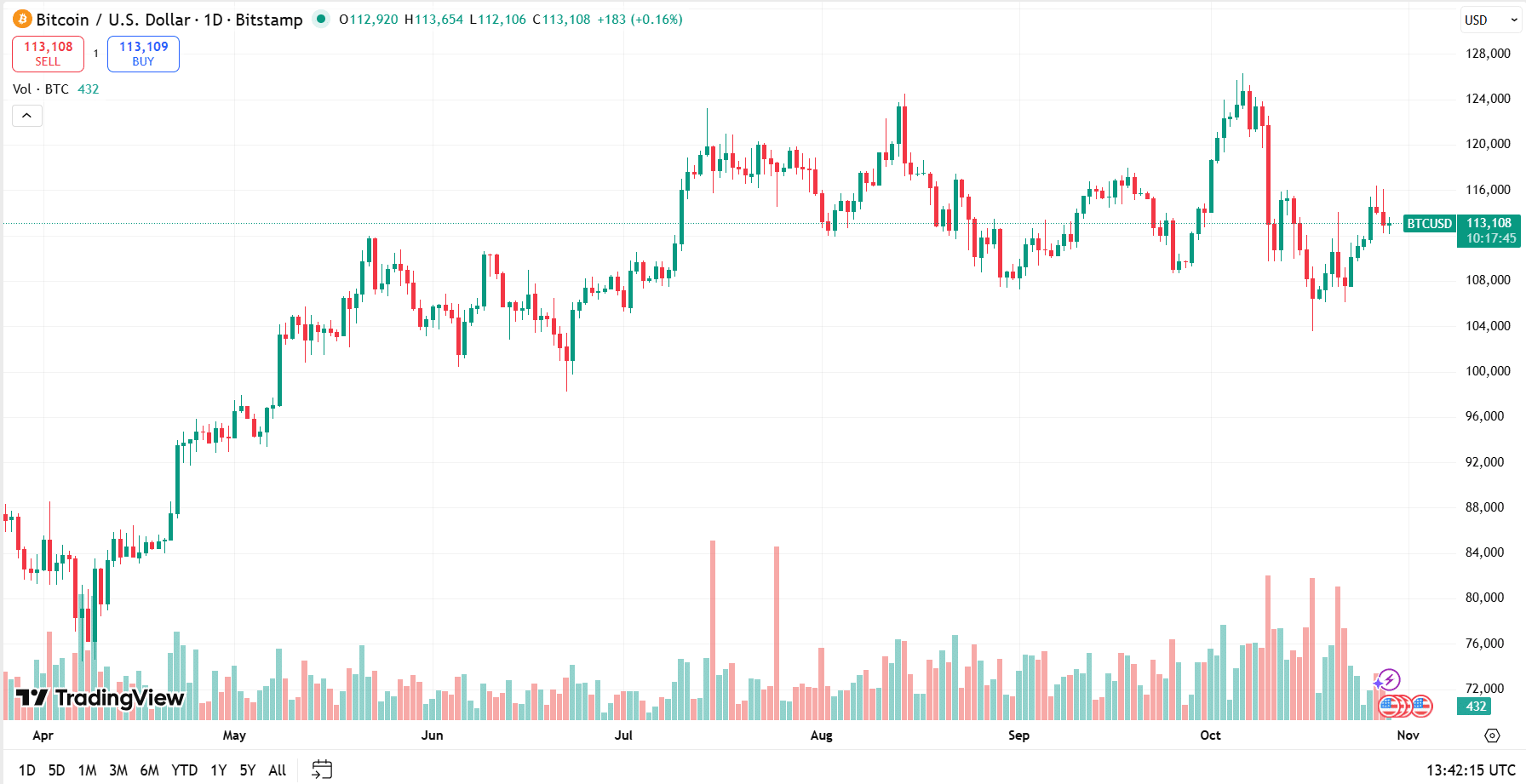
When Bitcoin pumps, people rush to buy at the top (FOMO), and when it dips, they panic sell (FUD).
If you want to last in this market, you need emotional discipline.
Stick to your plan, ignore the hype on social media, and avoid chasing pumps.
Remember: the goal is to trade strategically, not constantly.
Pro tip: Take a break from your screen if you feel anxious or impulsive. A calm trader is a successful trader.
4. Diversify Your Portfolio
“Don’t put all your eggs in one basket” applies perfectly to crypto.
Instead of investing everything into one coin—no matter how promising it looks—spread your risk across several assets.
You could mix:
Large-cap cryptos (like Bitcoin, Ethereum)
Mid-cap altcoins with growth potential
Stablecoins for liquidity and safety
Diversification won’t eliminate risk, but it smooths out volatility and reduces the chances of one bad trade wiping out your gains.
5. Avoid Overleveraging
Leverage can amplify profits—but it also amplifies losses.
Many exchanges allow you to trade with borrowed money, but that’s a double-edged sword. Even a small move in the wrong direction can trigger liquidation.
If you’re still learning, avoid margin or leverage trading until you fully understand the risks.
And when you do use it, start small—think 2x or 3x instead of 10x or 20x.
Protecting your capital means surviving long enough to trade another day.
6. Stay Updated on Market News
Crypto prices are heavily influenced by news, regulations, and global events.
A single announcement—like a new ETF approval or a government crackdown—can cause massive market swings.
To stay informed:
Follow reputable crypto news outlets (CoinDesk, CoinTelegraph).
Track on-chain data or sentiment tools like Glassnode or Santiment.
Join trading communities that focus on analysis, not hype.
Knowledge is power in this fast-paced space. Staying updated helps you anticipate moves before they happen.
7. Use Secure and Reliable Platforms
It doesn’t matter how smart your trades are if your funds aren’t safe.
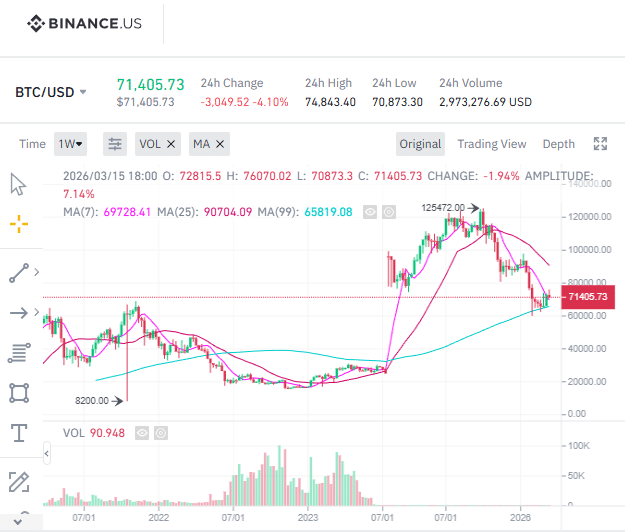
Always use reputable exchanges with strong security measures—like Binance, Coinbase, or Kraken.
Enable two-factor authentication (2FA), and never share your private keys.
If you’re holding crypto long-term, consider a hardware wallet (like Ledger or Trezor) instead of keeping assets on exchanges.
8. Track Your Performance
Many traders skip this step—but tracking your performance is vital for improvement.
Keep a trading journal that records your entries, exits, profits, and mistakes. Over time, you’ll notice patterns that reveal what’s working and what’s not.
Ask yourself:
Am I sticking to my plan?
Are my losses larger than my wins?
What kind of setups give me the best results?
This process turns every trade—win or lose—into a learning experience.
9. Protect Your Mindset
Trading can be stressful, and burnout is real.
It’s important to maintain balance—get enough sleep, exercise, and take time away from charts.
A clear, focused mind makes better decisions.
Final Thoughts
Successful crypto trading isn’t about luck—it’s about discipline, consistency, and risk management.
By following these crypto trading tips, you’ll protect your capital, minimize losses, and give yourself the best chance to grow over time.
Remember: your number one goal as a trader isn’t to win every trade—it’s to survive and thrive long enough to win big when the right opportunity comes.
