
If you're messing around with crypto, you probably noticed stuff online can be sketchy, and solid education is hard to find.
One video says buy, another says sell. Twitter's blowing up with charts, guesses, and crazy claims. A lot of traders figure out they don't need more opinions—they need to learn crypto for real.
Picking the right program can be tough, though. Some help traders learn, but others just want your money.
This will help you look at programs wisely, so you put your money into learning and not empty promises.
Why Bother Learning About Crypto?
Crypto's not just buying and selling. You gotta manage risk, keep your cool, and know how the market works. If you don't learn this stuff, you're just guessing, which means losing money.
A good program helps you:
- Learn why prices move, not just when.
- Make solid plans for trading.
- Stay calm when things get crazy.
- Protect your money before trying to make a profit.
Learning doesn't stop risk, but it helps you avoid dumb mistakes.
Before you check out any courses, be real with yourself about what you know.
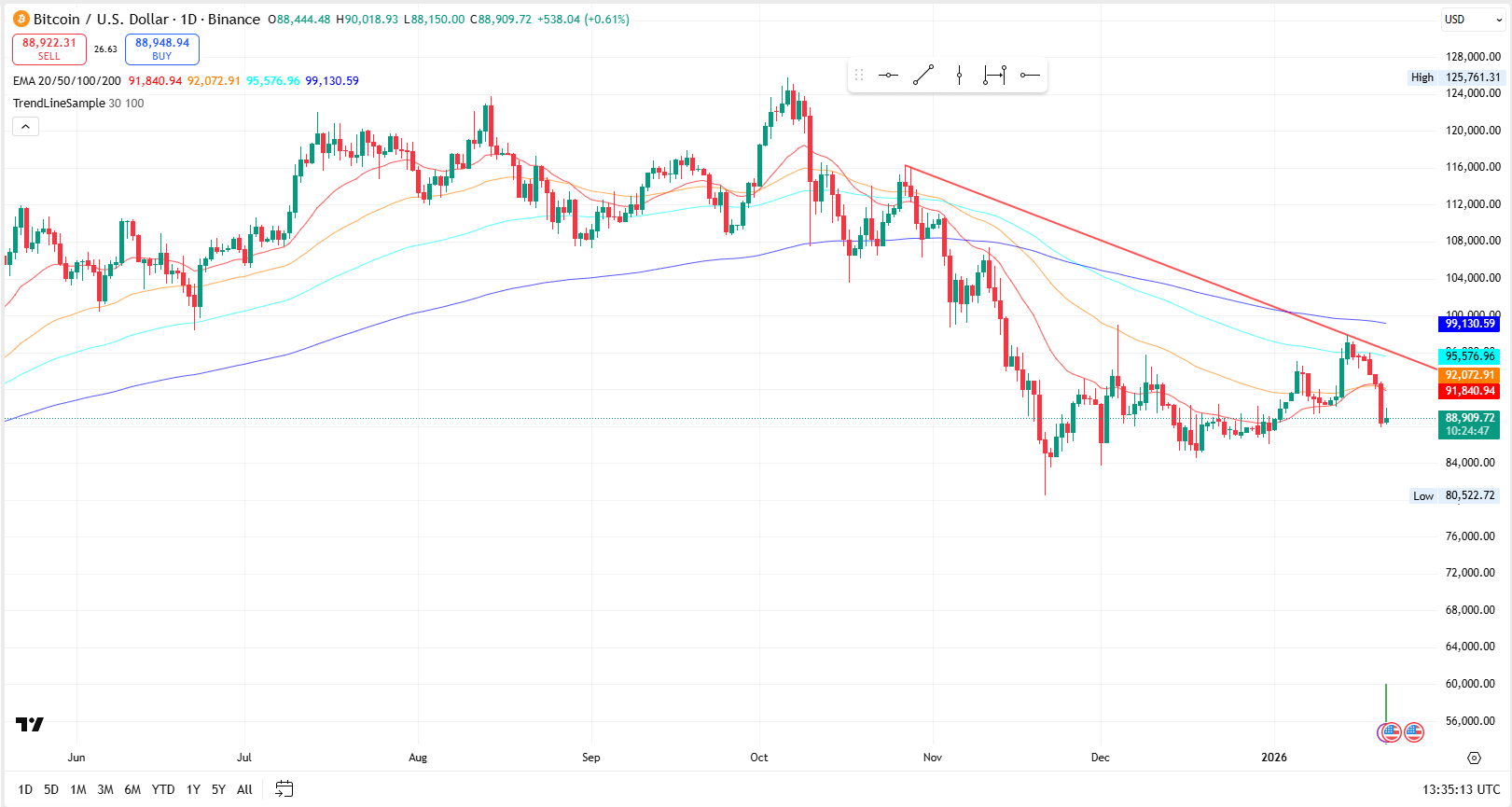
Ask yourself:
- Am I new to trading?
- Do I get charts and stuff?
- Have I traded before, but I can't stay consistent?
- Do I wanna trade a lot, or just invest?
Not every program fits everyone. Beginner stuff starts with exchanges, wallets, and basic ways to trade. Advanced stuff gets into reading charts, how the market's put together, and keeping your money safe.
- Picking the wrong level will just bum you out and waste your cash.
- Ignore Get Rich Quick Stuff
- This is a huge red flag.
If someone says you're guaranteed to make money, or they have a secret way to trade, they're just trying to sell you something.
Good crypto education:
- Knows you're gonna lose sometimes
- Talks about what's likely to happen, not what's for sure
- Teaches you to stay calm
Real traders worry about doing things the right way, not getting rich. If a program doesn't talk about risk, run away.
Look at How the Teacher Teaches, Not Just Their Wins
A lot of people can trade okay. Fewer can teach.
When you're checking out a program, see how they explain stuff:
- Do they tell you why something works?
- Do they talk about mistakes and losses?
- Can they explain things simply?
Good teachers don't just show wins. They talk about why they did what they did, how much risk there was, and what they were thinking. That's how you actually learn.
Doing Beats Just Knowing
Just knowing stuff about trading isn't enough to get better. You need to actually do it! See how those ideas work when the market is live.
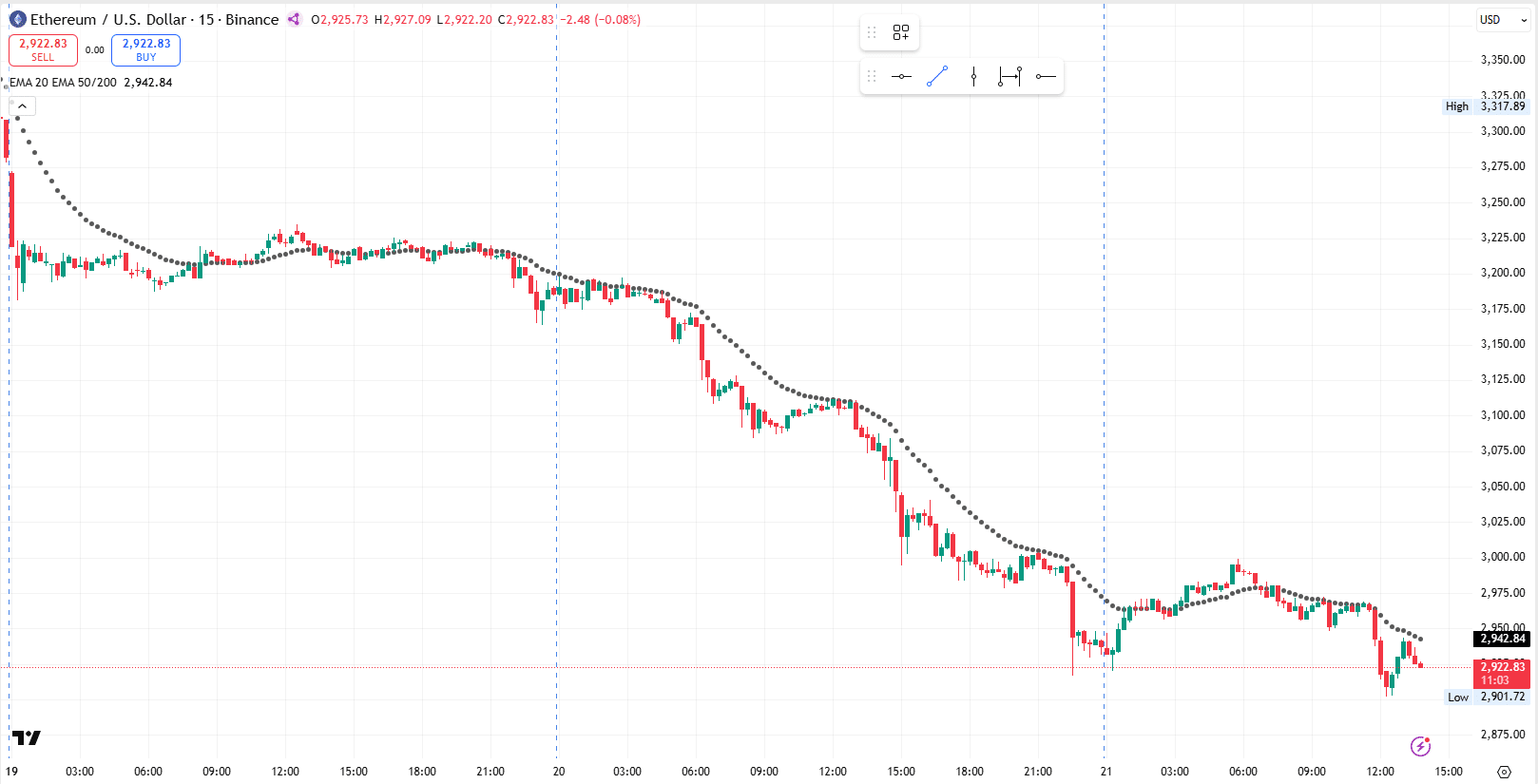
Think about programs that have:
- Real chart examples
- Examples of trades (wins and losses)
- Ways to manage risk
- Market breakdowns
- If a course feels like a boring book, it probably won't help you when you're really trading.
- Risk Management Should Be a Big Deal
- Beginners usually don't care about this, but it's super important.
- A great program should spend a lot of time on:
- How big your trades should be
- Where to put stop losses
- What to do when you're losing money
- Protecting your money when things are bad
If they barely talk about risk, that's a bad sign. Trading isn't just about getting money—it's about staying in the game long enough to improve.
A Group and Support Can Really Help
Learning alone sucks. Programs with a group or some kind of help are usually better.
A good community can:
- Help you when you're stuck
- Show you what mistakes others made
- Show you different ways to trade
- Keep you going when things are slow
Just watch out for groups that only copy trades instead of learning. Good education helps you think for yourself, not just copy others.
See How Often They Update Stuff
Crypto changes fast. Stuff that worked before might not work now.
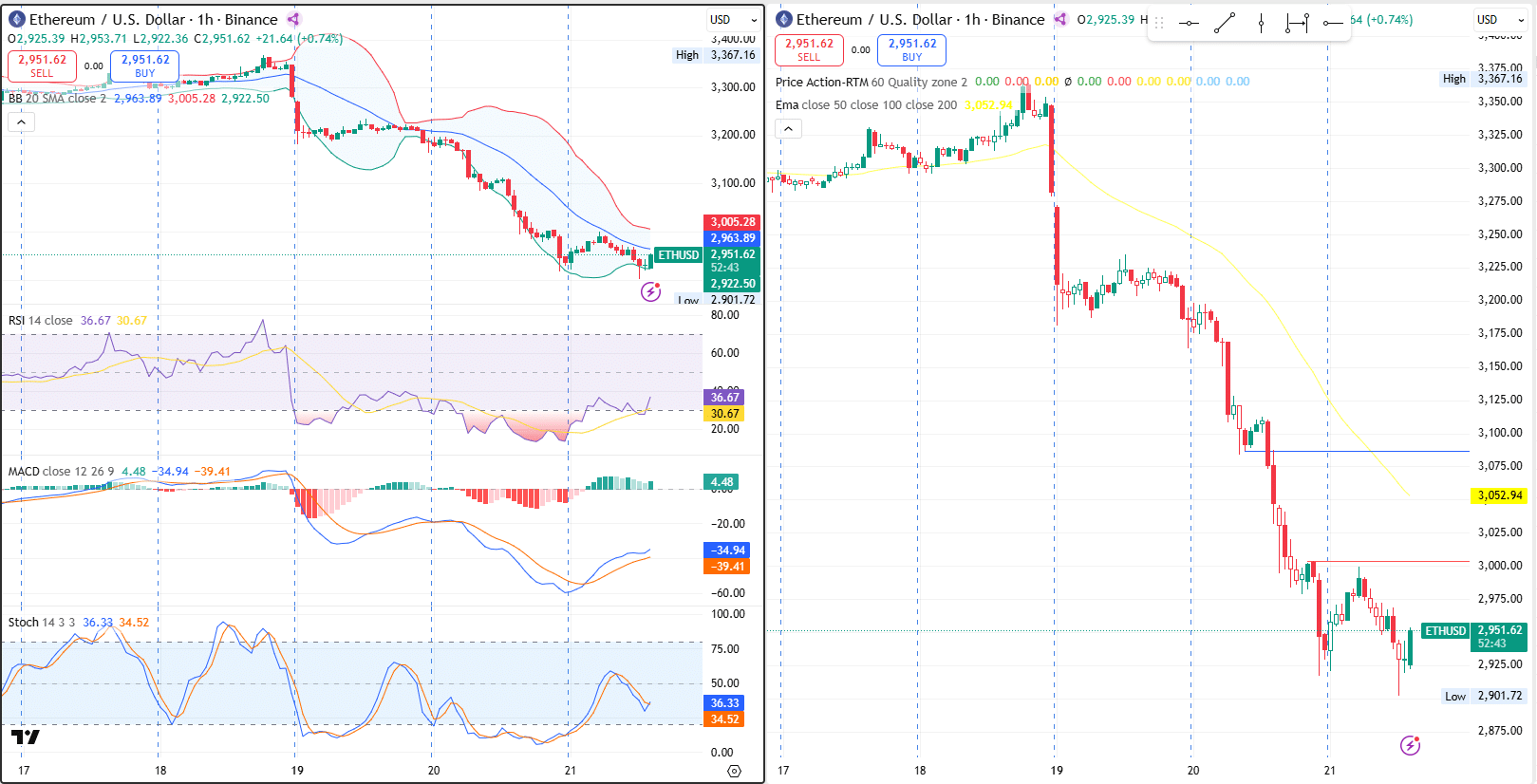
Before you join, see if the program:
- Updates lessons regularly
- Talks about what's been happening in the market recently
- Changes plans for the changing market
- Old info is just as bad as no info.
- Figure Out How You Learn Best
- People learn in different ways! Some like classes. Others like workshops, live videos, or recordings.
Before you sign up, ask:
- Can I go at my own pace or is there a schedule?
- Is everything easy to find?
- Can I watch stuff again later?
- A good way to learn will keep you interested, not stressed.
- Think About the Price Compared to What You're Getting
Just because something costs more doesn't mean it's better. Some cheap programs are great, and some expensive ones care more about looking good than teaching.
- When you're thinking about the price, think about:
- How much you're learning
- If they update stuff
- If you get to be in a group
- How long this will help you
Think of learning crypto as putting money into skills, not just buying something.
Don't Just Get Trade Signals
Signals might seem good, especially when you're new. But if you only use those, you won't actually learn.
Good learning teaches you:
- How to read the market yourself
- How to make and test your own ways of trading
- How to make your own choices
- Signals can help, but they shouldn't be all you do.
- Go With Your Gut
- If something feels bad, trust that feeling. A good program should make you feel good, not pressured.
- Take your time. Read reviews. Watch previews. Ask questions.
In The End
Picking the right program is a big deal. Good education won't make you rich overnight, but it'll give you a plan, confidence, and a way to move forward.
Crypto is a skill, not a quick trick. If you learn, stay patient, and practice, you'll have a real shot at getting somewhere—no matter what the market does.
And in crypto, a solid start is everything.
