
At some point in crypto trading, you realize something uncomfortable: knowing indicators isn’t the same as being profitable.
Most traders reach this stage after a few wins, a few painful losses, and a long stretch of sideways results. You stop blaming the market and start asking better questions. Why did that trade fail? Why did I exit too early? Why does the same setup work sometimes and fail other times?
That’s usually when traders start looking beyond the basics and into more advanced crypto trading strategies. Not because they want complexity—but because simple approaches stop working once emotions and market structure come into play.
This article isn’t about hype or shortcuts. It’s about how experienced traders actually approach the market using tools like day trading crypto strategies, scalping crypto, swing trading, and position trading—without pretending there’s a perfect system.
The Real Difference Between Beginner and Advanced Traders
Advanced traders don’t magically win more trades. They just lose better.
They accept losses quickly, size positions more carefully, and stop chasing every move. Instead of reacting to price, they wait for price to come to them.
What changes most isn’t the strategy—it’s the mindset. Advanced traders think in probabilities, not predictions. They don’t need to be right all the time. They just need to survive long enough for their edge to play out.
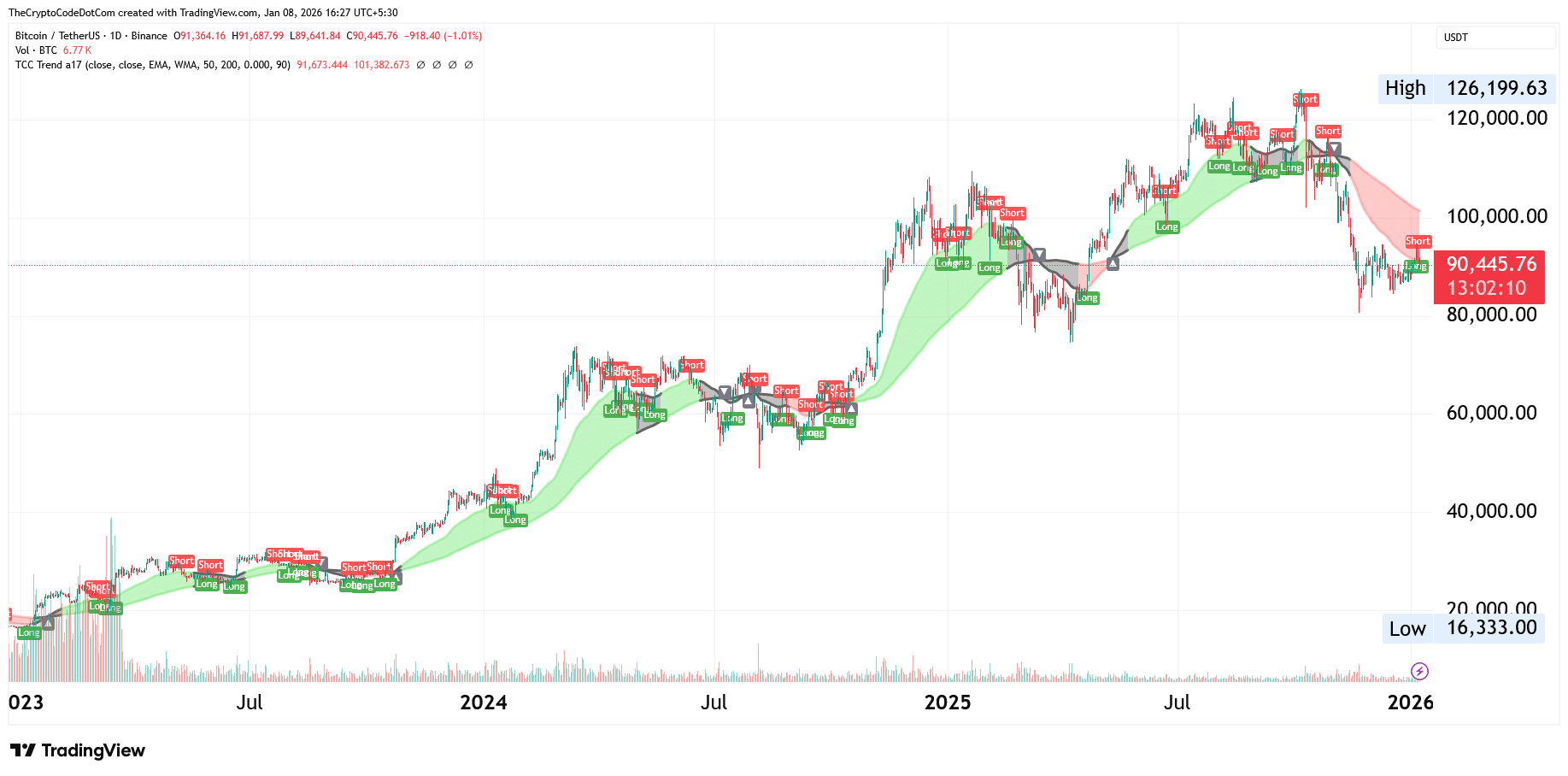
Scalping Crypto: Fast Trades, No Room for Mistakes
Scalpers usually trade on very short timeframes—often one to five minutes. There’s no time to overthink. You either execute or you miss the trade.
Liquidity matters more than anything. That’s why most scalpers stick to major pairs. Slippage, slow fills, or hesitation can instantly turn a good idea into a bad trade.
Scalping can work, but only if:
- You’re fully focused
- You use strict stop losses
- You accept small wins and small losses
One emotional decision can wipe out hours of solid trading. That’s why many experienced traders try scalping at some point—and then move on once they understand how demanding it really is.
Day Trading Crypto Strategies: A Middle Ground That Makes Sense
For many traders, day trading is where things start to feel sustainable.
You’re still active, but not glued to the screen every second. Trades are planned, not rushed. You know your levels before the market gets there.
Good day trading crypto strategies usually revolve around structure. Breakouts, pullbacks, and ranges aren’t fancy ideas—but they work because other traders are watching the same levels.
The biggest mistake day traders make isn’t bad entries. It’s trading too much. Some of the best trading days end with only one or two trades.
Experienced day traders understand that capital protection matters more than activity. Missing a trade hurts less than forcing one.
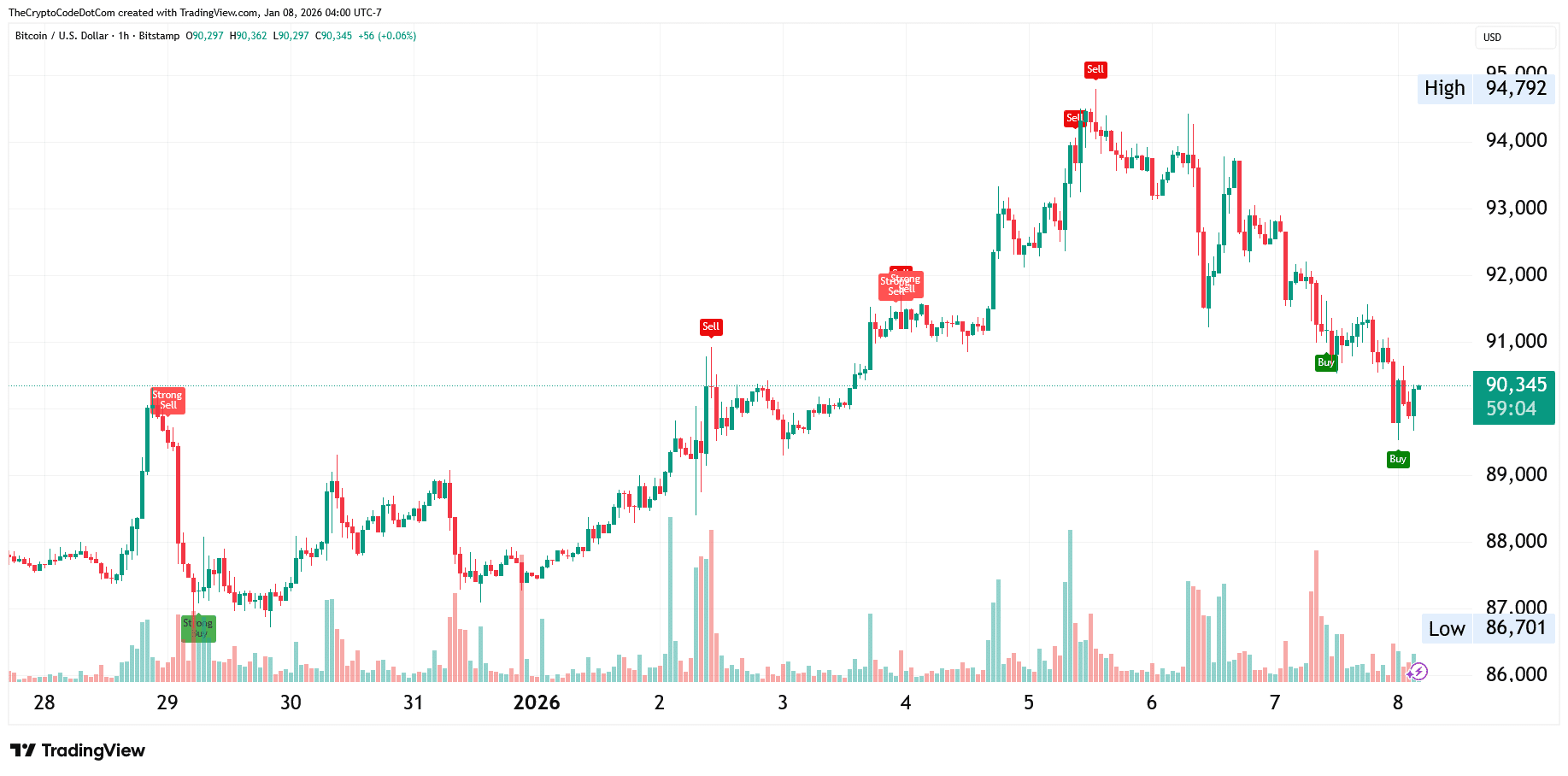
Swing Trading: Letting Time Do Some of the Work
Swing trading feels calmer for a reason. You’re no longer fighting every candle. Instead, you’re aligning with the broader move.
Swing traders focus on higher timeframes and give trades room to breathe. Pullbacks aren’t scary—they’re expected.
This style works well in crypto because trends can develop quickly and extend further than expected. But patience is non-negotiable.
The hardest part of swing trading isn’t entries. It’s sitting through pullbacks without second-guessing yourself. Many traders exit good trades early because they can’t tolerate short-term discomfort.
Swing Trading: Letting Time Do Some of the Work
Swing trading feels calmer for a reason. You’re no longer fighting every candle. Instead, you’re aligning with the broader move.
Swing traders focus on higher timeframes and give trades room to breathe. Pullbacks aren’t scary—they’re expected.
This style works well in crypto because trends can develop quickly and extend further than expected. But patience is non-negotiable.
The hardest part of swing trading isn’t entries. It’s sitting through pullbacks without second-guessing yourself. Many traders exit good trades early because they can’t tolerate short-term discomfort.
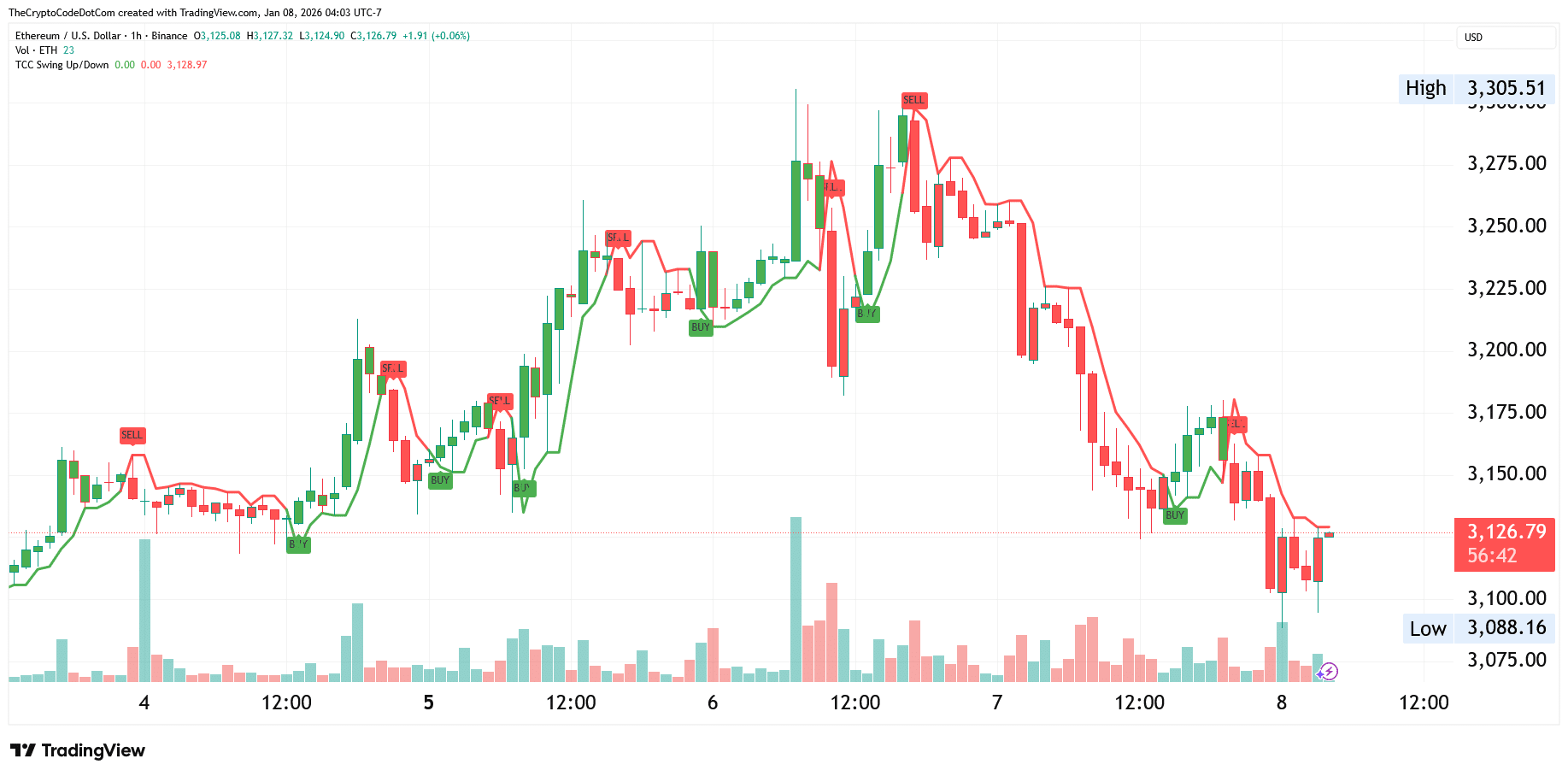
Position Trading: When You Stop Caring About Noise
Position trading is where trading starts to feel boring—and that’s not a bad thing.
You’re no longer reacting to daily volatility. You’re focused on larger trends, broader narratives, and long-term structure. Trades can last weeks or months.
Position traders don’t win often, but when they do, the wins tend to matter. The downside is psychological. Watching price move against you for days tests confidence more than any indicator ever will.
This approach rewards traders who trust their analysis and don’t constantly second-guess themselves.
Risk Management: The Part Most Traders Ignore Until It’s Too Late
Here’s the truth most traders learn the hard way: strategy doesn’t matter if risk is unmanaged.
Advanced traders think about risk before thinking about profit. They know how much they’re willing to lose before entering a trade. They understand position sizing. And they respect leverage.
Leverage isn’t evil—but it’s unforgiving. Used carelessly, it amplifies mistakes. Used sparingly, it can be a tool. Most experienced traders lean toward caution, especially after a few painful lessons.
Survival is the real edge.
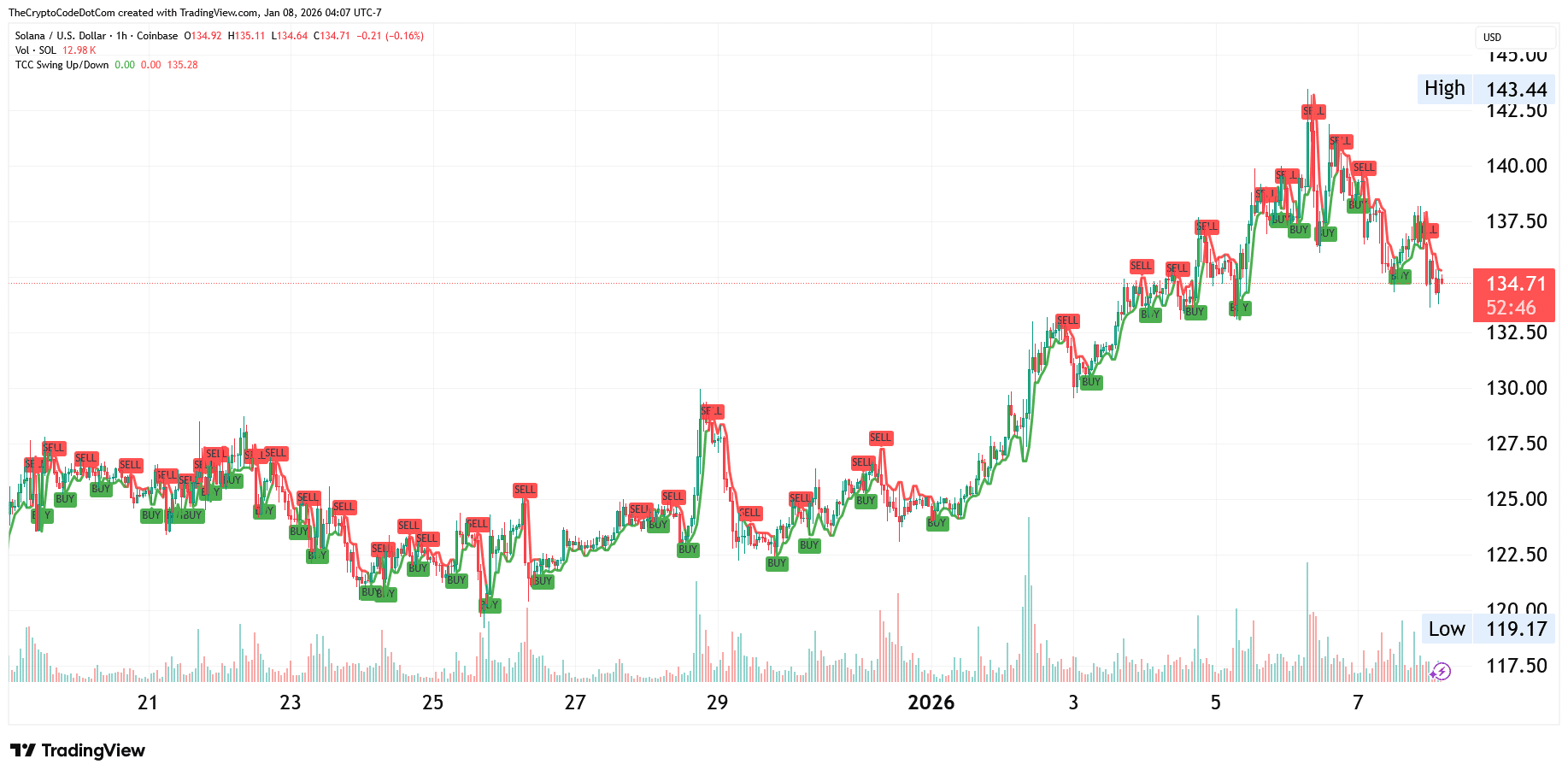
Adapting Instead of Forcing One Strategy
Markets change. Volatility expands and contracts. Trends appear and disappear.
Advanced traders adapt. They don’t force scalping during slow markets or hold swing trades during chaotic conditions. They adjust their approach based on what the market is offering.
That flexibility only comes with screen time and honest self-review.
Final Thoughts: Experience Is the Strategy
There’s no secret indicator waiting to be discovered. Advanced trading isn’t about complexity—it’s about clarity.
Whether you’re using scalping crypto, refined day trading crypto strategies, or longer-term approaches, the real work happens off the chart. Reviewing trades. Managing emotions. Staying disciplined.
The longer you trade, the quieter your process becomes. Fewer trades. Less stress. Better decisions.
And that’s usually when things start to click.
