
Let’s be honest for a minute.
If you’ve ever searched “crypto education” online, you’ve probably been hit with two extremes:
Overpriced courses promising overnight success
Random YouTube videos with flashy thumbnails and zero structure
Somewhere in the middle are genuinely valuable, free resources — but finding them can feel like digging for gold in a landfill.
The good news? High-quality crypto education absolutely exists online for free. You just need to know where to look and how to use it properly.
If you want to understand crypto without spending a dime, here’s a practical breakdown of free resources that actually teach you something useful.
1. Coinbase Learn (Beginner-Friendly and Structured)
If you’re brand new to crypto, Coinbase’s free learning hub is one of the easiest places to start.
They explain things in plain English:
- What is Bitcoin?
- How do blockchains work?
- What is staking?
- What are gas fees?
It’s clean, organized, and doesn’t assume prior knowledge. You won’t become a technical analyst from it, but you will build a strong foundation.
Best for:
- Complete beginners
- People who feel overwhelmed by crypto terminology
- Learning basic concepts safely
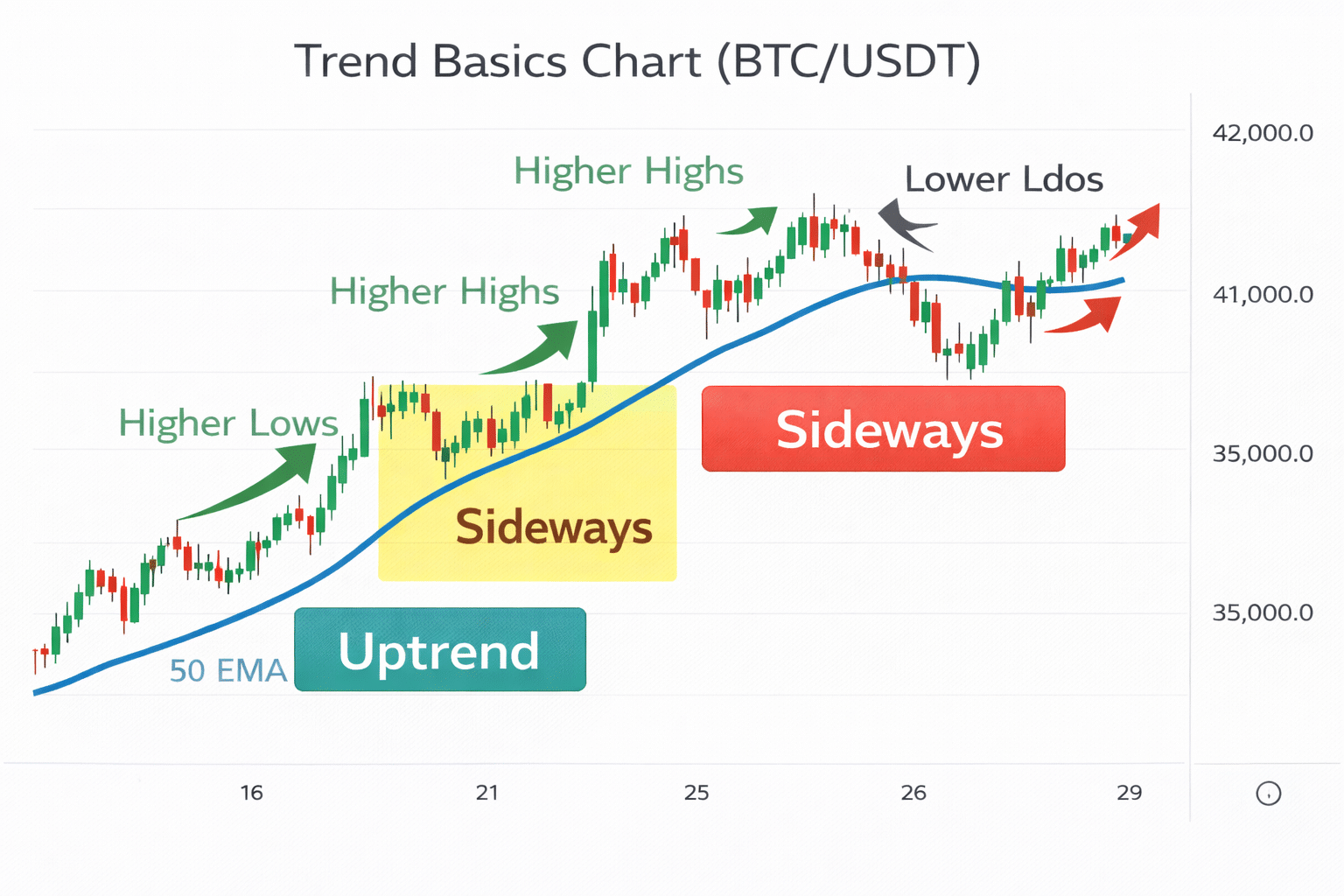
2. Binance Academy (Deep but Free)
Binance Academy is surprisingly thorough for a free platform.
It covers:
- Blockchain fundamentals
- Trading basics
- Technical indicators
- Risk management
- Web3 and DeFi
What makes it useful is structure. Articles are categorized by skill level (beginner, intermediate, advanced). That helps prevent random, scattered learning.
If you want free crypto education that gradually moves you from “What is a wallet?” to “How does liquidity affect markets?” this is a solid resource.
Best for:
- Self-learners
- Traders who want deeper theory
- Long-term investors
3. TradingView (Free Charts + Learning Through Practice)
Reading about crypto is one thing. Seeing it move live is another.
TradingView offers free charting tools that let you:
- Study price action
- Add indicators like RSI and MACD
- Draw support and resistance
- Watch trends form in real time
Even if you never pay for a subscription, you can learn a tremendous amount by simply observing markets daily.
Free crypto education doesn’t always come in video form. Sometimes the best teacher is watching charts and asking yourself:
- Why did price bounce there?
- Why did the volume spike?
- What changed in the trend?
Best for:
- Aspiring traders
- Visual learners
- Anyone serious about market behavior
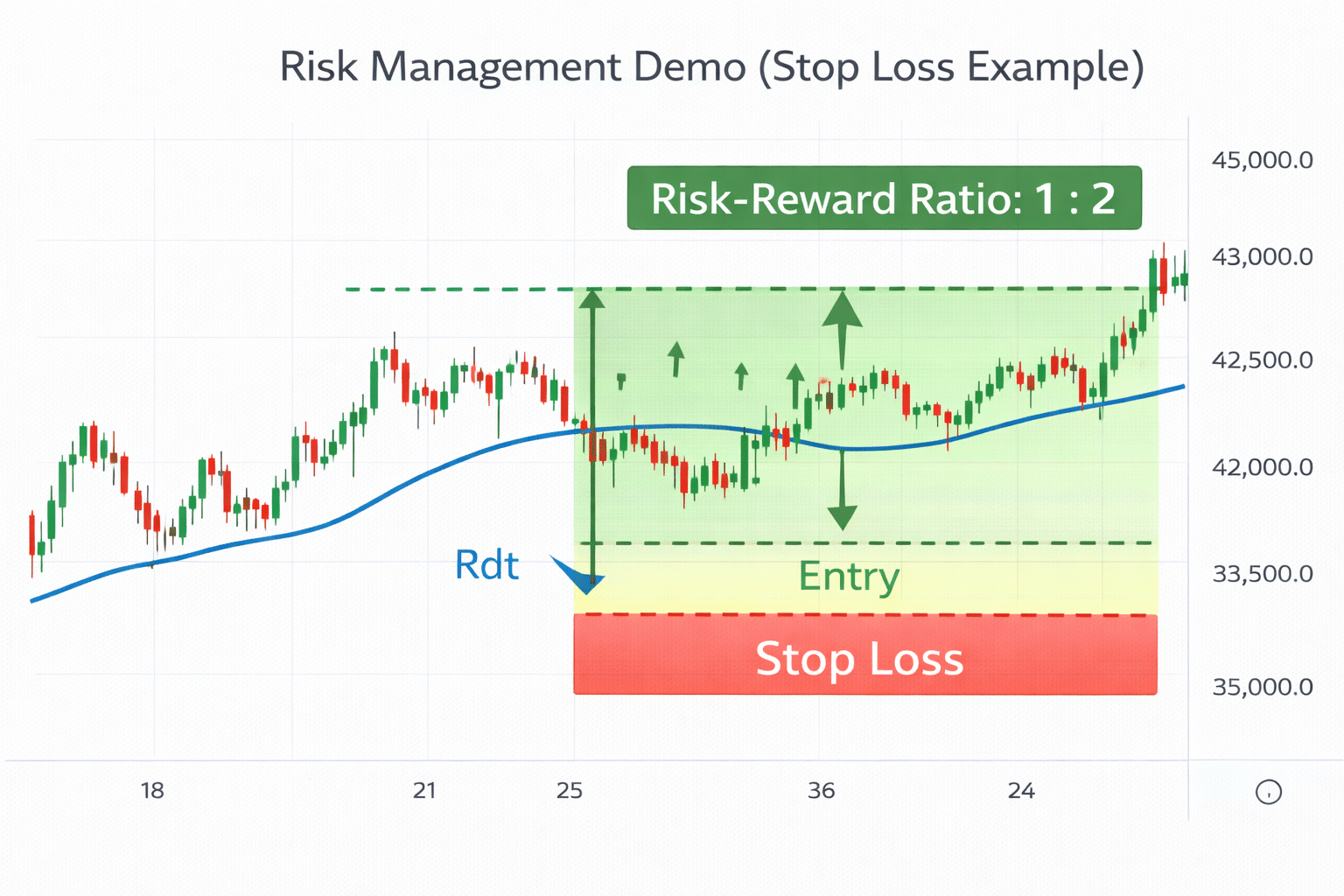
4. MIT OpenCourseWare (Yes, Real University Content)
If you want something more academic, MIT OpenCourseWare offers free blockchain-related lectures online.
These are real university-level classes covering:
- Blockchain technology
- Cryptography basics
- Decentralized systems
It’s not trading-focused. It’s more about understanding how crypto works under the hood.
This is ideal if you want credibility and deep knowledge rather than hype.
Best for:
- Tech-oriented learners
- Long-term thinkers
- Anyone interested in blockchain beyond trading
5. Reddit (With Caution)
Reddit can be chaotic, but it can also be incredibly educational.
Subreddits like:
- r/CryptoCurrency
- r/Bitcoin
- r/Ethereum
Often have thoughtful discussions, breakdowns of news, and community insights.
That said, Reddit should supplement your education — not replace it.
Think of it like listening in on a conversation at a coffee shop. There’s useful information, but you still need judgment.
Best for:
- Staying updated
- Community perspectives
- Seeing different viewpoints
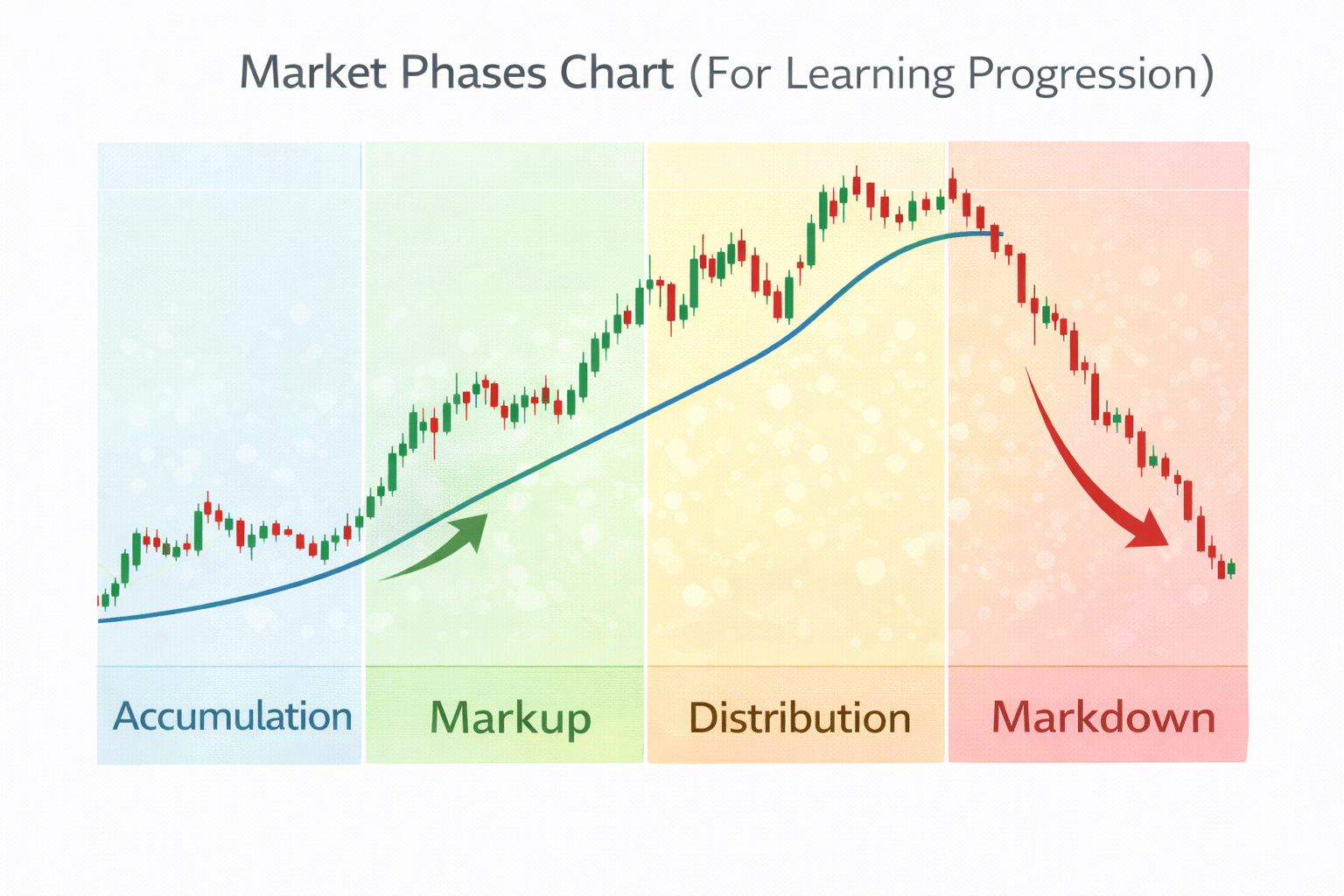
6. Quality YouTube Channels (But Be Selective)
YouTube is full of noise. But there are creators who genuinely teach instead of just chase views.
Look for channels that:
- Explain why a setup works (not just “BUY NOW!”)
- Discuss risk management
- Show both wins and losses
- Teach strategy step-by-step
Avoid channels that:
- Only post profit screenshots
- Promise guaranteed returns
- Push affiliate links aggressively
- Avoid explaining risk
Free crypto education on YouTube can be powerful — but only if you’re selective.
7. Podcasts for Passive Learning
If you commute, work out, or drive often, crypto podcasts are underrated learning tools.
Good podcasts focus on:
- Market cycles
- Long-term investing
- Regulation updates
- Blockchain innovation
You won’t see charts, but you’ll develop macro awareness — which many beginners ignore.
Free education doesn’t always mean sitting at a desk. Sometimes it means learning while living your life.
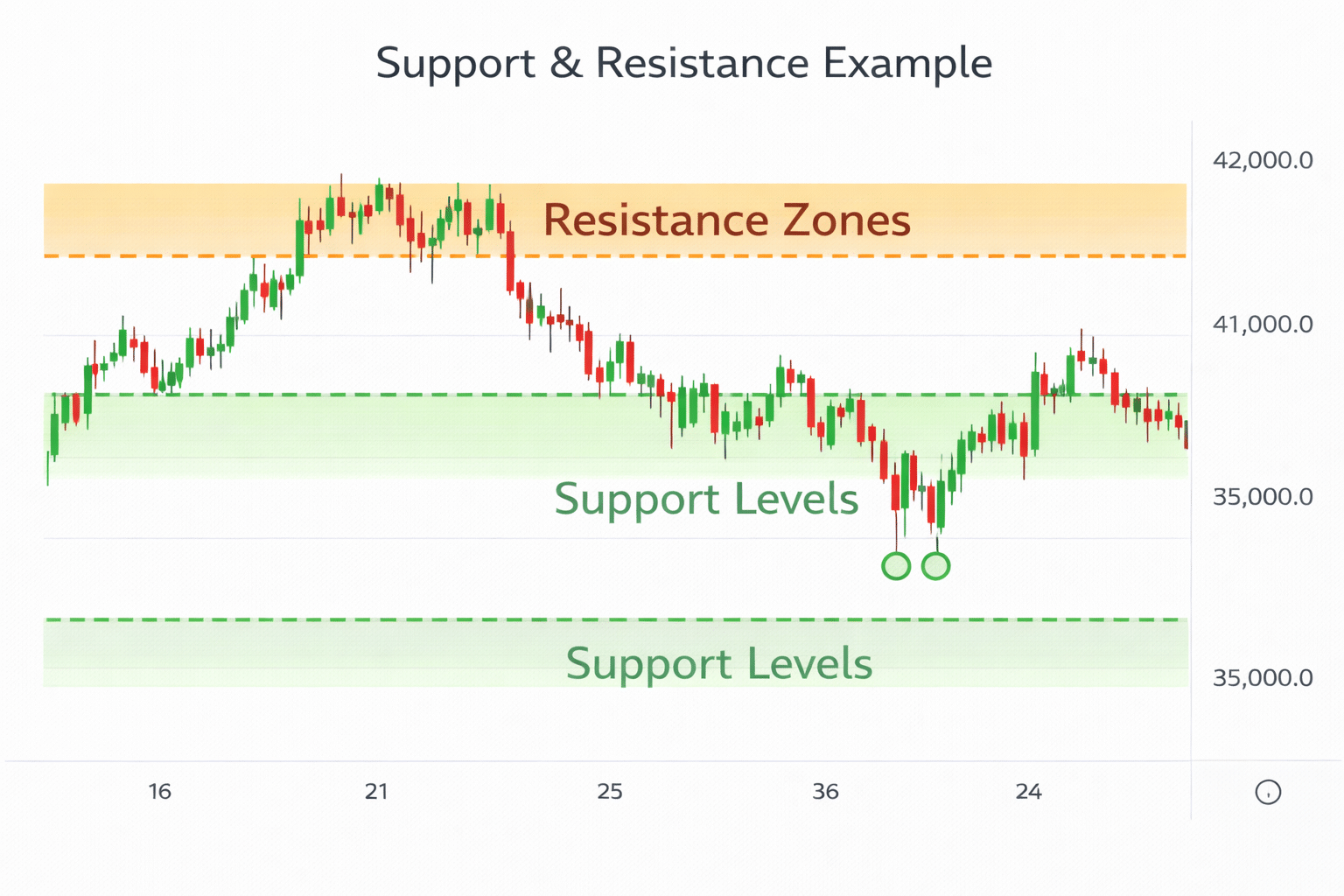
How to Actually Learn (Instead of Just Consuming Content)
Here’s where most people go wrong.
They watch hours of content… but never apply it.
If you want free crypto education to actually work:
- Pick one structured source (like Binance Academy or Coinbase Learn).
- Open TradingView and practice what you read.
- Keep a notebook (yes, a real one).
- Write down mistakes.
- Track what works.
Learning crypto isn’t about binge-watching. It’s about repetition and reflection.
What Free Education Won’t Teach You
Let’s be realistic.
Free resources will teach you:
- Concepts
- Indicators
- Market structure
- Terminology
They won’t teach you:
- Emotional discipline
- Risk tolerance
- Patience
- Self-control
Those only come from experience.
No free crypto education resource can replace time in the market.
Red Flags to Avoid (Even When It’s “Free”)
Just because something is free doesn’t mean it’s safe.
Watch out for:
- “Free courses” that lead to a $3,000 upsell
- Telegram groups promising signals
- Influencers showing only profits
- Anyone who guarantees returns
Real education focuses on skill, not shortcuts.
Final Thoughts
You do not need to spend thousands of dollars to understand crypto.
The internet already offers:
- University-level blockchain lectures
- Free professional charting tools
- Structured crypto courses
- Market discussions
- Technical breakdowns
The key isn’t finding more content. It’s using the right content consistently.
Free crypto education works — but only if you approach it seriously.
If you stay patient, stay curious, and stay disciplined, you can build strong crypto knowledge without spending a single dollar.
And in a market full of noise, that alone is an advantage.
