
When it comes to making money in crypto, most people immediately think of buying low and selling high or day trading on charts. But there’s another strategy that’s been around since the early days of finance—and it’s surprisingly effective in crypto too. It’s called arbitrage trading, and when done right, it can feel like scooping up free money.
Let’s break down what arbitrage trading is, how it works, the different strategies you can use, and whether it’s worth your time in today’s market.
What is Crypto Arbitrage Trading?
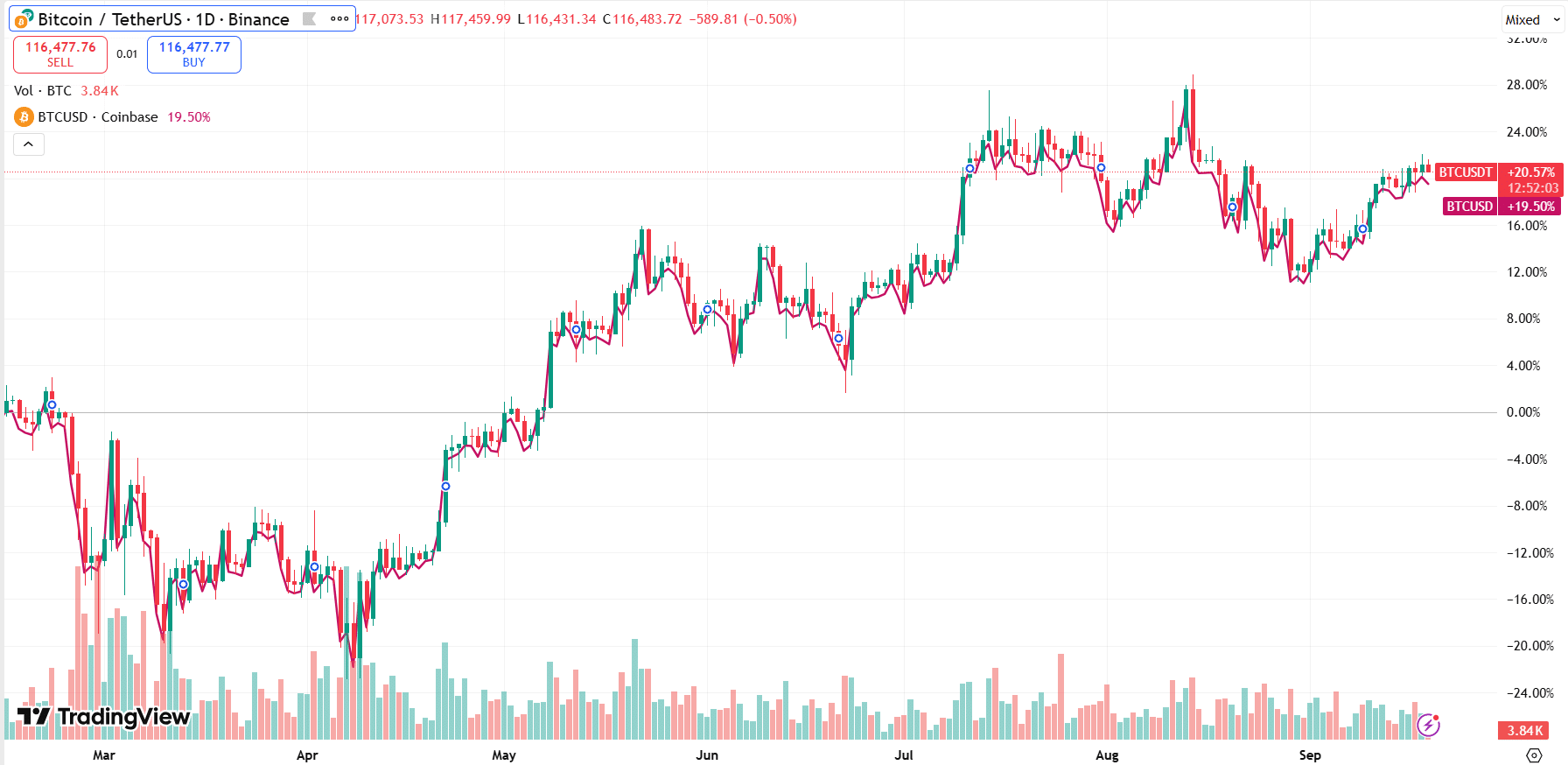
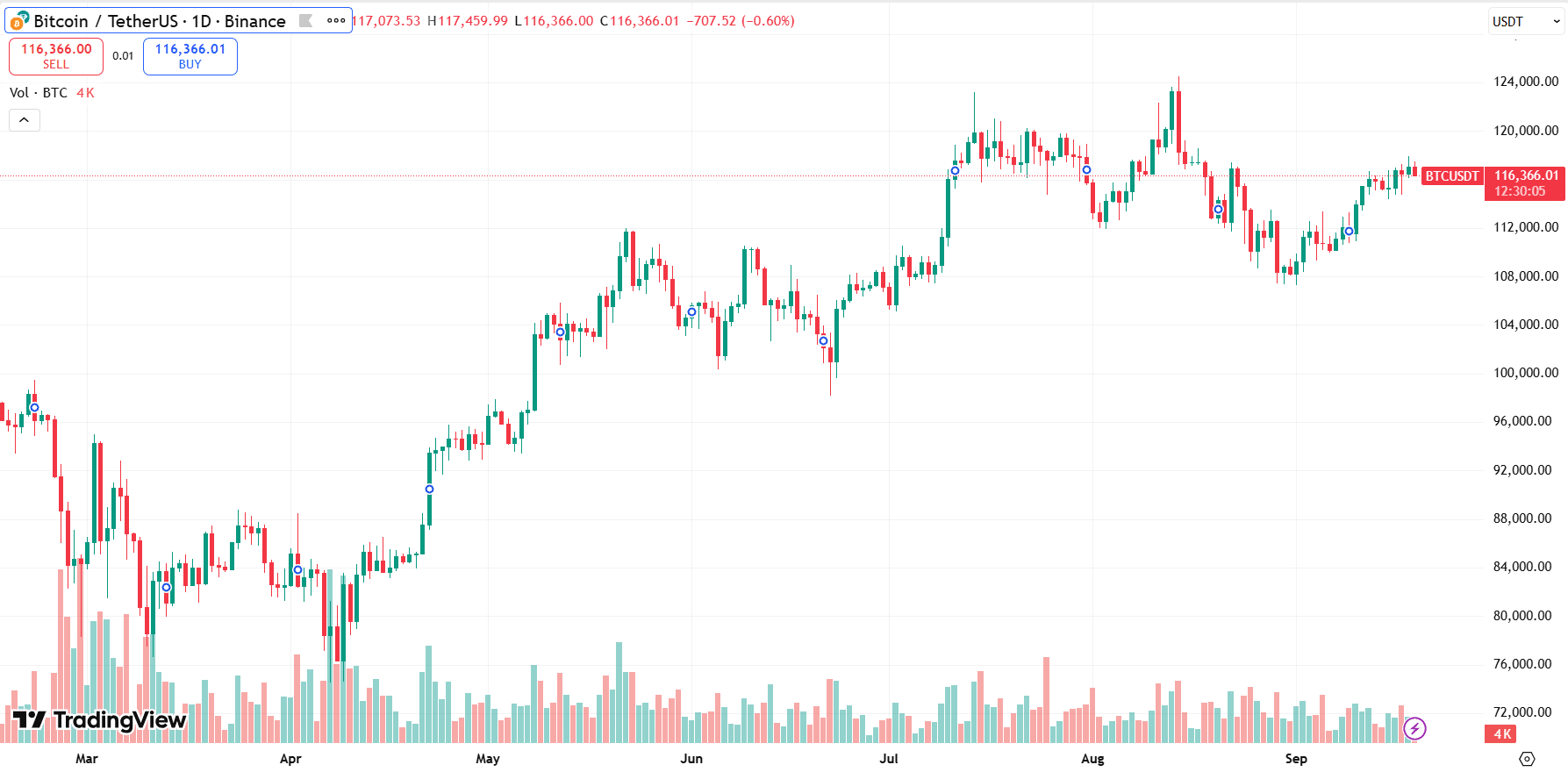
In simple terms, arbitrage trading in crypto means buying a coin on one exchange where it’s priced lower and selling it on another exchange where it’s priced higher. The profit comes from the price difference between exchanges.
For example:
On Exchange A, Bitcoin might be trading at $30,100.
On Exchange B, at the same moment, it’s trading at $30,250.
If you were to buy 1 BTC on Exchange A and sell it immediately on Exchange B, you would make a $150 profit (minus fees).
This happens because crypto prices aren’t always identical across exchanges. Liquidity, demand, and regional activity can cause small discrepancies. Arbitrage traders spot these gaps and profit from them.
Why Arbitrage Exists in Crypto
In traditional stock markets, arbitrage opportunities are rare because prices are tightly regulated and big institutional players quickly close the gaps. But crypto is different:
- Hundreds of exchanges exist globally.
- Liquidity varies across them.
- Some cater to specific regions, leading to different pricing.
- The market moves 24/7 without central oversight.
This environment makes arbitrage trading crypto more accessible than in traditional finance.
Types of Crypto Arbitrage Strategies
Arbitrage trading isn’t just one method. Here are the most popular approaches:
- Spatial Arbitrage (Exchange-to-Exchange)
The classic style—buy on one exchange, sell on another.
Works best when you have accounts funded on multiple exchanges.
Downside: transfer times between wallets can eat up opportunities. - Triangular Arbitrage
This happens within the same exchange using three trading pairs.
Example:
You start with USDT.
Trade USDT → ETH, ETH → BTC, then BTC → USDT.
If the exchange rates aren’t balanced, you end up with more USDT than you started with.
It’s complex but avoids the need to move funds between exchanges. - Statistical Arbitrage
This relies on algorithms and bots. Traders program bots to scan dozens of exchanges for price discrepancies and execute trades instantly.
Great for speed.
Requires technical knowledge and upfront investment in tools. - Decentralized Arbitrage (DEX vs CEX)
Price differences can also appear between centralized exchanges (like Binance or Coinbase) and decentralized exchanges (like Uniswap or PancakeSwap).
DEX prices sometimes lag or spike due to liquidity pools.
Traders can buy on one and sell on the other.
Is Arbitrage Really Risk-Free?
At first glance, arbitrage crypto trading seems like free money. But in reality, it comes with challenges:
- Transaction Fees – Every exchange charges trading and withdrawal fees, which can eat into profits.
- Transfer Times – If you need to move coins between exchanges, delays could erase your price gap advantage.
- Slippage – Prices may change in the seconds it takes you to place your trades.
- KYC & Withdrawal Limits – Some exchanges limit how much you can withdraw daily.
- Competition – Bots and professional traders are also scanning for these opportunities.
So, while arbitrage is considered “low-risk,” it’s not truly risk-free.
How to Get Started with Arbitrage Trading
If you’re curious to try arbitrage, here’s a roadmap:
- Pick Reliable Exchanges – Start with major platforms like Binance, Coinbase, Kraken, or KuCoin.
- Fund Accounts Ahead of Time – To avoid transfer delays, keep funds ready on multiple exchanges.
- Use Tracking Tools – Websites and bots can help spot arbitrage opportunities in real-time. Examples include CoinMarketCap’s arbitrage tools or custom-built bots.
- Start Small – Test with small amounts to understand fees, timing, and execution.
- Consider Automation – If you get serious, a trading bot can help you act on opportunities faster.
Pros and Cons of Arbitrage Trading
- Pros:
Lower risk compared to regular trading.
Doesn’t require predicting market trends.
Works in both bull and bear markets - Cons:
Profit margins are often small.
Requires speed, precision, and good tools.
Regulatory risks—some countries restrict arbitrage or cross-border transfers.
Final Thoughts
Arbitrage trading crypto can be an exciting way to earn profits without gambling on market direction. Instead of staring at charts for hours, you’re exploiting inefficiencies between exchanges.
But remember: it’s not as simple as “buy here, sell there.” You’ll need to factor in fees, timing, and competition. The golden opportunities often vanish in seconds, especially as more traders and bots enter the space.
If you’re new, treat arbitrage like a side experiment rather than your main trading strategy. With the right setup, tools, and patience, it can still deliver consistent returns.
In the end, arbitrage is proof of one thing: in the fast-moving world of crypto, opportunity doesn’t sleep.
