
Crypto trading can be exciting, rewarding, and—let’s be honest—a little nerve-wracking. With prices that can swing dramatically in a matter of minutes, the thrill of profit often comes hand-in-hand with the risk of loss. That’s why mastering crypto risk management is one of the most important skills for any trader, whether you’re just starting out or have been in the market for years.
In this guide, we’ll break down what risk management really means in the world of crypto, why it matters, and the practical steps you can take to keep your trading journey safer and more sustainable.
Why Risk Management Matters in Crypto
The crypto market is unlike any other. Traditional markets like stocks and forex have volatility, but crypto takes it to another level. A coin can rise 20% in a day and drop just as quickly. Without a plan to manage that kind of movement, traders often end up making impulsive decisions—and losing money.
Risk management isn’t about avoiding losses altogether (that’s impossible). Instead, it’s about limiting the damage of bad trades while maximizing the potential of good ones. Think of it as a safety net that keeps you in the game long enough to actually benefit from your winning strategies.

The Golden Rule: Never Risk More Than You Can Afford to Lose
It sounds simple, but it’s a rule that many ignore. If you’re putting rent money or emergency savings into trades, you’re setting yourself up for stress and potentially devastating losses. The first step in managing risk crypto trading is making sure you’re only trading with disposable income—money that won’t disrupt your life if the trade goes south.
The Power of Stop-Loss in Crypto Trading
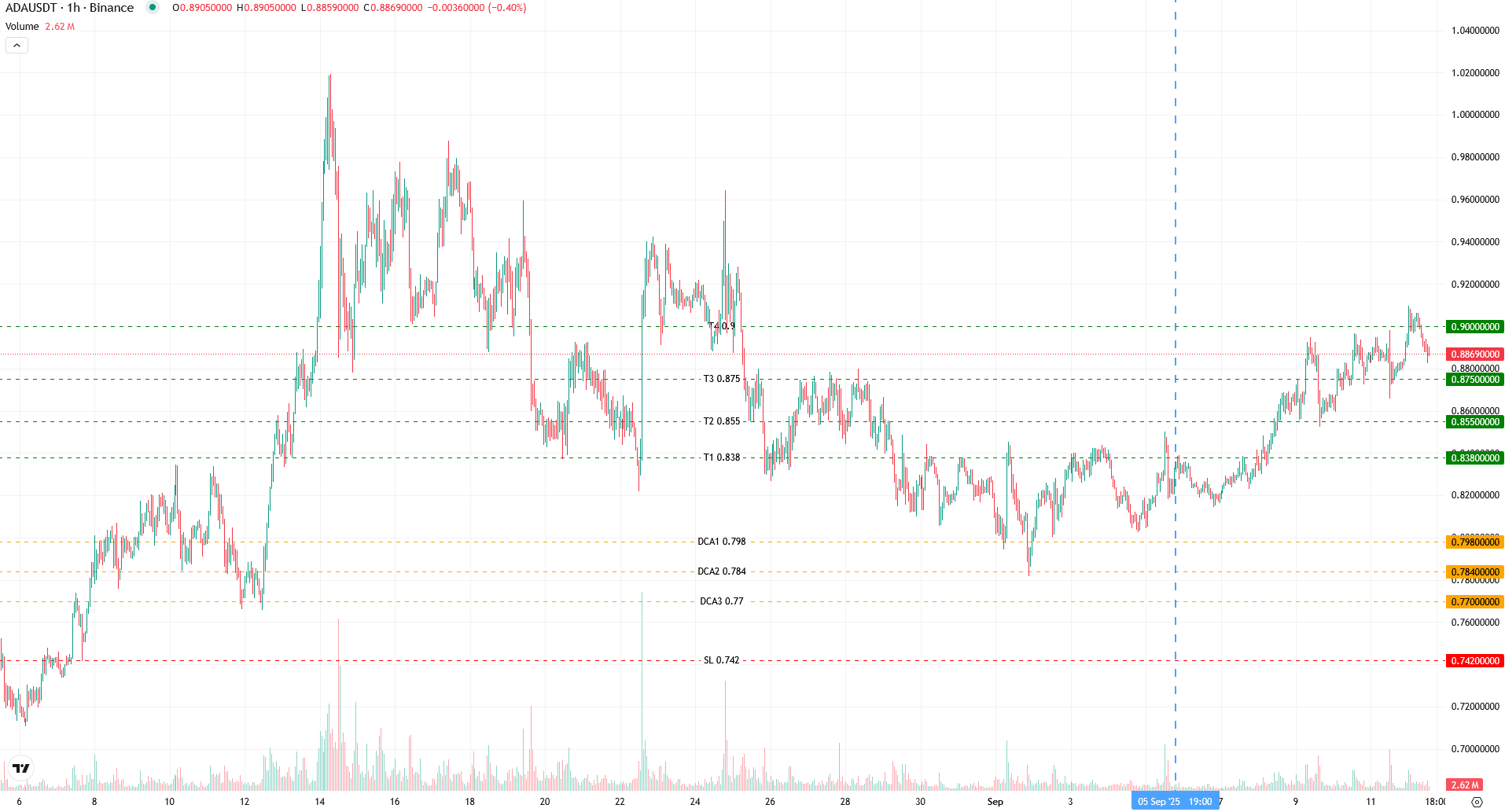
One of the most effective tools for stop-loss crypto trading is, unsurprisingly, the stop-loss order.
A stop-loss is an automatic instruction you give your exchange: if the price of your coin falls to a certain level, sell it. This way, you don’t have to sit glued to your screen 24/7, and you avoid the nightmare of watching your investment sink lower and lower.
For example:
You buy Bitcoin at $30,000.
You set a stop-loss at $28,500.
If the market dips, your trade automatically closes, limiting your loss to about 5%.
The exact stop-loss percentage will depend on your risk tolerance and the volatility of the coin, but most traders aim to risk no more than 1–3% of their total portfolio per trade.
Position Sizing: Don’t Put All Your Eggs in One Basket
Position sizing simply means deciding how much of your money to put into a single trade. Even if you’re confident about a coin, pouring all your funds into it is dangerous.
Instead, spread your risk:
Limit individual trades to a small percentage of your portfolio (say 5–10%).
Diversify across different coins rather than betting everything on one.
Consider mixing long-term holds with shorter trades.
This way, one bad trade won’t wipe you out completely.
Managing Leverage Wisely
Leverage can feel like a shortcut to big profits, but it’s a double-edged sword. Using borrowed funds to trade magnifies gains—and losses. Many beginners underestimate how quickly leveraged trades can turn against them.
If you’re new, start with no leverage at all. As you gain experience, you might experiment with small leverage (like 2x). But always pair it with strict stop-loss orders and position sizing. Professional traders treat leverage with respect because they know how unforgiving it can be.
Controlling Emotions: The Hidden Side of Risk Management
Even with the best strategies in place, human emotions can be a trader’s biggest enemy. Fear, greed, and impatience can lead to reckless decisions.
Some tips to stay grounded:
Stick to your plan: Decide your entry, exit, and stop-loss before placing a trade.
Avoid revenge trading: Don’t chase losses with bigger, riskier bets.
Take breaks: Staring at charts all day increases stress and impulsive actions.
A calm, disciplined trader will always outperform someone trading on gut feelings alone.
Controlling Emotions: The Hidden Side of Risk Management
Use Take-Profit Orders: Just as a stop-loss prevents big losses, a take-profit order helps you lock in gains before the market reverses.
Keep a Trading Journal: Track what works and what doesn’t. Over time, patterns emerge that help refine your strategies.
Stay Updated: News, regulations, and exchange issues can impact prices. Managing risk also means being aware of external events.
Bringing It All Together
Crypto trading offers incredible opportunities, but those opportunities only matter if you can protect your capital long enough to enjoy them. By practicing smart crypto risk management—through stop-loss crypto trading, proper position sizing, and disciplined strategies—you put yourself in a much stronger position to succeed.
Remember: the goal isn’t to win every trade, but to make sure your losses are small and your wins are big enough to grow your portfolio over time.
Risk management isn’t the “boring” part of trading—it’s the part that separates the survivors from the quitters. So the next time you place a trade, ask yourself: How am I managing my risk here? That one question could be the difference between lasting success and an early exit from the crypto world.
