
As we get further into 2026, the crypto conversation will likely shift away from price speculation. The focus should be on crypto's real-world applications, its user base, and building long-term financial stability instead of chasing quick gains.
Think of it as a major turning point for crypto, not the end.
The Idea That Crypto Has Already Won
To some, crypto looks like a done deal. Bitcoin is popular. Big institutions are involved. There are rules in place in many countries.
It seems like crypto has made it.
But that's not the whole story. Crypto wasn't supposed to be just a better version of Wall Street. It was meant to be a different system, where people could avoid financial systems that rely on middlemen and central control.
The original idea was simple: people dealing directly with each other, without needing permission.
That idea is still around, but it's being challenged.
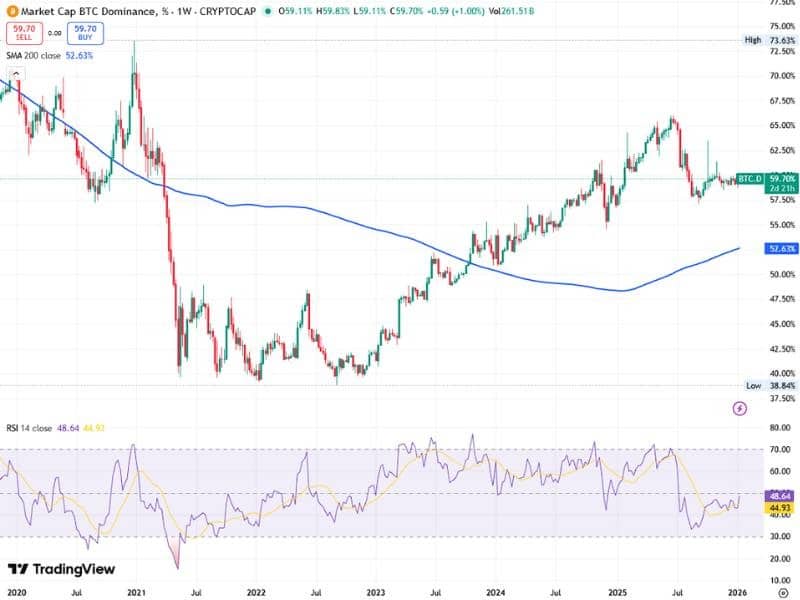
From Freedom to Growth to Getting Smaller
What's happening in crypto in 2026 isn't a collapse, but more of a takeover. We've seen this before.
The internet and open-source software also went through this cycle: initial freedom, growth, and eventual consolidation.
Crypto is now in that final stage.
The crypto space is shifting towards traditional finance, we're seeing more ETFs, tokenization, regulations, and involvement from large institutions. These aren't inherently negative changes, but they're neutral. Systems that lack a guiding direction are easily dominated by powerful entities unless there's active intervention.
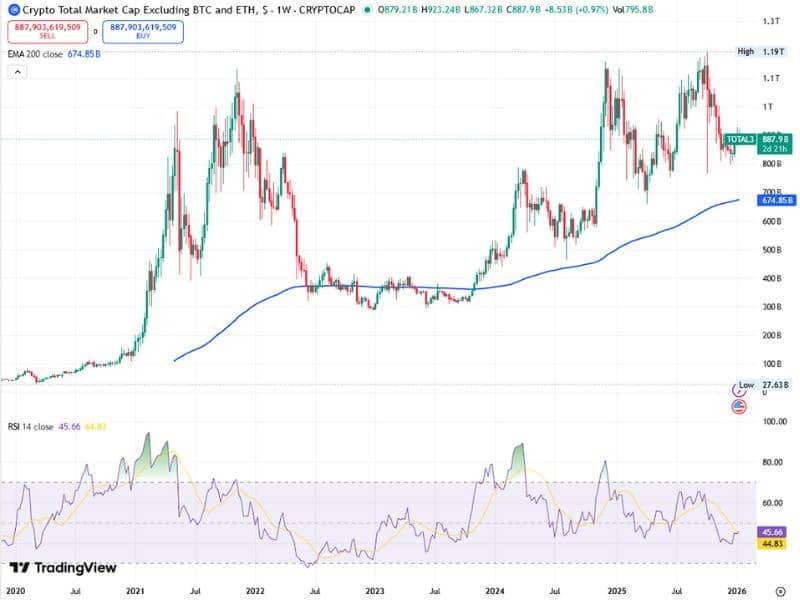
Why Crypto's Future Hinges on 2026
2026 feels like a make-or-break year for crypto because it's heading in two different directions at once.
First, we're seeing crypto become more regulated, easier for governments to understand, and linked to traditional finance. But there's also another trend gaining traction that people aren't talking about as much.
Tech that focuses on privacy and freedom is becoming a reality.
Zero-knowledge systems are leaving the lab and being used in the real world. Privacy tools are more than just experiments now. Developers aren't waiting for approval; they're finding ways to work within the rules.
This is where the real innovation is happening.
The Problem When Peer-to-Peer Works
History tells us what happens when peer-to-peer systems become too successful: pressure builds, people want more oversight, and regulations get stricter.
But developers never give up. They adjust.
Recent crackdowns didn't stop innovation; they sped it up. Decentralized infrastructure became more diverse. Support for legal defense grew. Systems that protect privacy improved. Regulation is doing what it always has – acting as a catalyst.
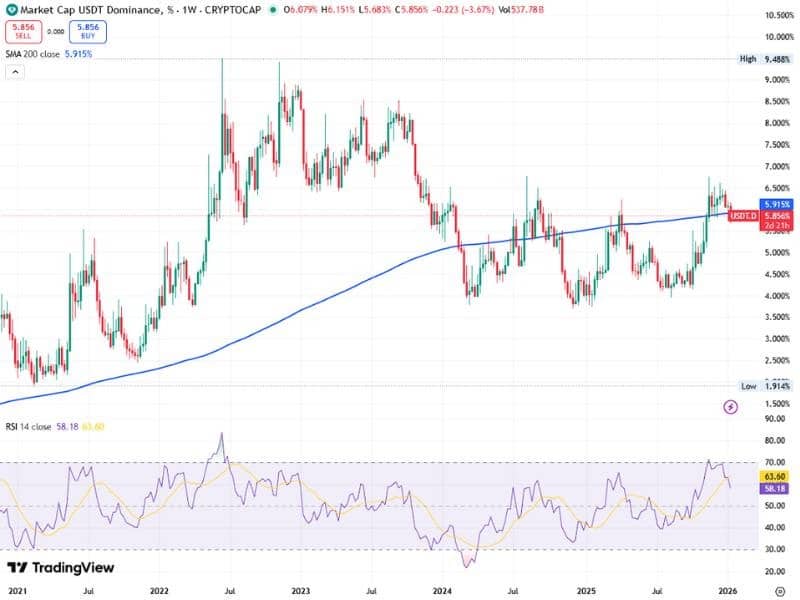
Regulation Doesn't Equal Freedom
The recent laws are often seen as big wins, and in some ways they are. They make institutions feel safer. They let stablecoins work with old-school finance. They open doors to big money.
But what's good for institutions isn't necessarily good for individuals.
What really matters is how the system behaves. Is it rewarding account-based money, or bearer assets? Compliance, or independence? Programmable money, or value that doesn't need permission?
One thing is clear based on history: the more surveillance increases, the faster privacy tech develops.
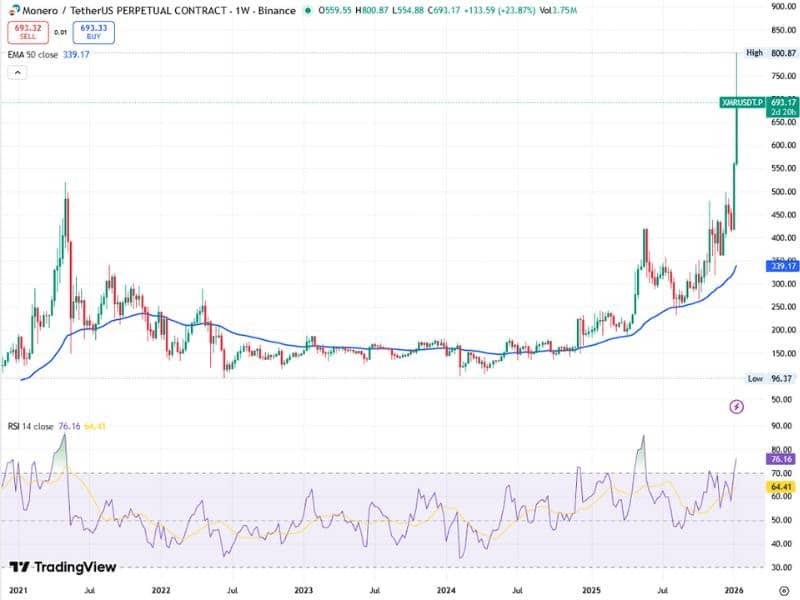
Privacy: It's Not Just a Dream Anymore
As people realize how vital privacy is, privacy tools are becoming more popular. Because trust is low, people want to keep their data safe. Privacy is no longer just a vague concept; it's a real concern.
We’re seeing more zero-knowledge proofs in use, and better encryption is moving from research to real products. Private computing and self-custody are becoming normal options, not just rare add-ons.
Why Freedom-Focused Technology Always Moves Faster
A key thing in crypto is how fast freedom-supporting tech grows, compared to control systems. This involves location too. As some places tighten rules, others compete by protecting independence with simple crypto taxes, no capital-gains taxes, and innovation-friendly zones in Asia and the Middle East.
These aren't tricks, but release valves. They exist because people still have options and use them.
The Big Crypto Question for 2026: Do We Have Choices?
What will be important in 2026 is having choices, not prices or rules.Here are some questions that you can use as a guide:
Can you control your assets without needing others?
Can you make deals without permission?
Can you leave systems when they don't work for you?
That's how we measure real progress.
Crypto is a start, not the finish. It attracts all kinds of people, from builders to those wanting power. What happens depends on who joins and what they build.
The fight is on. The tools influencing money and digital life are no longer abstract concepts; they're already here.
