
When you first open a crypto trading chart, it can feel overwhelming—candles going up and down, numbers flashing by the second, and dozens of tools you’ve never heard of. But here’s the truth: once you learn how to use technical analysis in crypto, the chaos starts to make sense.
In this guide, we’ll break down how to use some of the most effective indicators for crypto trading analysis. By the end, you’ll know what these indicators are and how to combine them for smarter trading decisions.
Why Technical Analysis Matters in Crypto
Unlike stocks, crypto markets run 24/7. That means price movements happen fast, and news spreads even faster. While fundamentals like project updates or regulations matter, most traders rely heavily on charts to make real-time decisions.
This is where technical analysis comes in. It’s all about studying crypto trading charts to understand patterns, momentum, and possible future movements.
Think of it as reading the market’s body language—you’re looking for signals that can hint at where Bitcoin, Ethereum, or any altcoin might head next.
The Core Indicators Every Trader Should Know
There are dozens of indicators out there, but you don’t need to use them all. In fact, too many can create “analysis paralysis.” Instead, focus on these proven ones:
1. Moving Averages (MA & EMA)
What they are: Lines that smooth out price action to show overall trends.
How to use them:
A simple moving average (SMA) looks at the average closing price over a set number of days.
An exponential moving average (EMA) gives more weight to recent prices, making it more responsive.
Pro tip: When a short-term EMA (like 20-day) crosses above a long-term EMA (like 50-day), it’s often seen as a bullish signal.
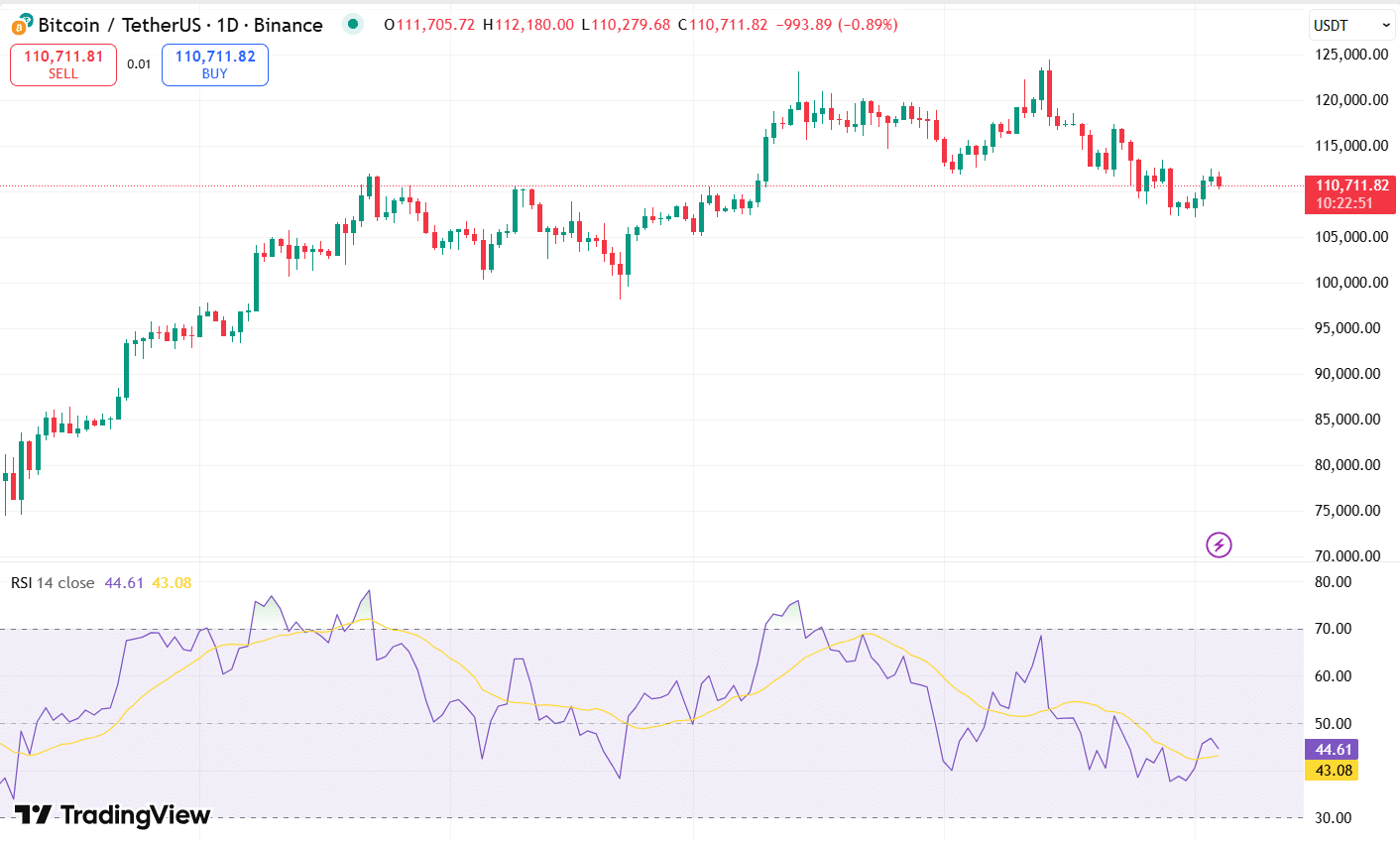
2. Relative Strength Index (RSI)
What it is: An indicator that measures momentum by comparing recent gains and losses.
How to use it:
RSI above 70 = overbought (price may correct soon).
RSI below 30 = oversold (price may bounce).
Pro tip: Don’t rely on RSI alone—use it alongside trend indicators for confirmation.
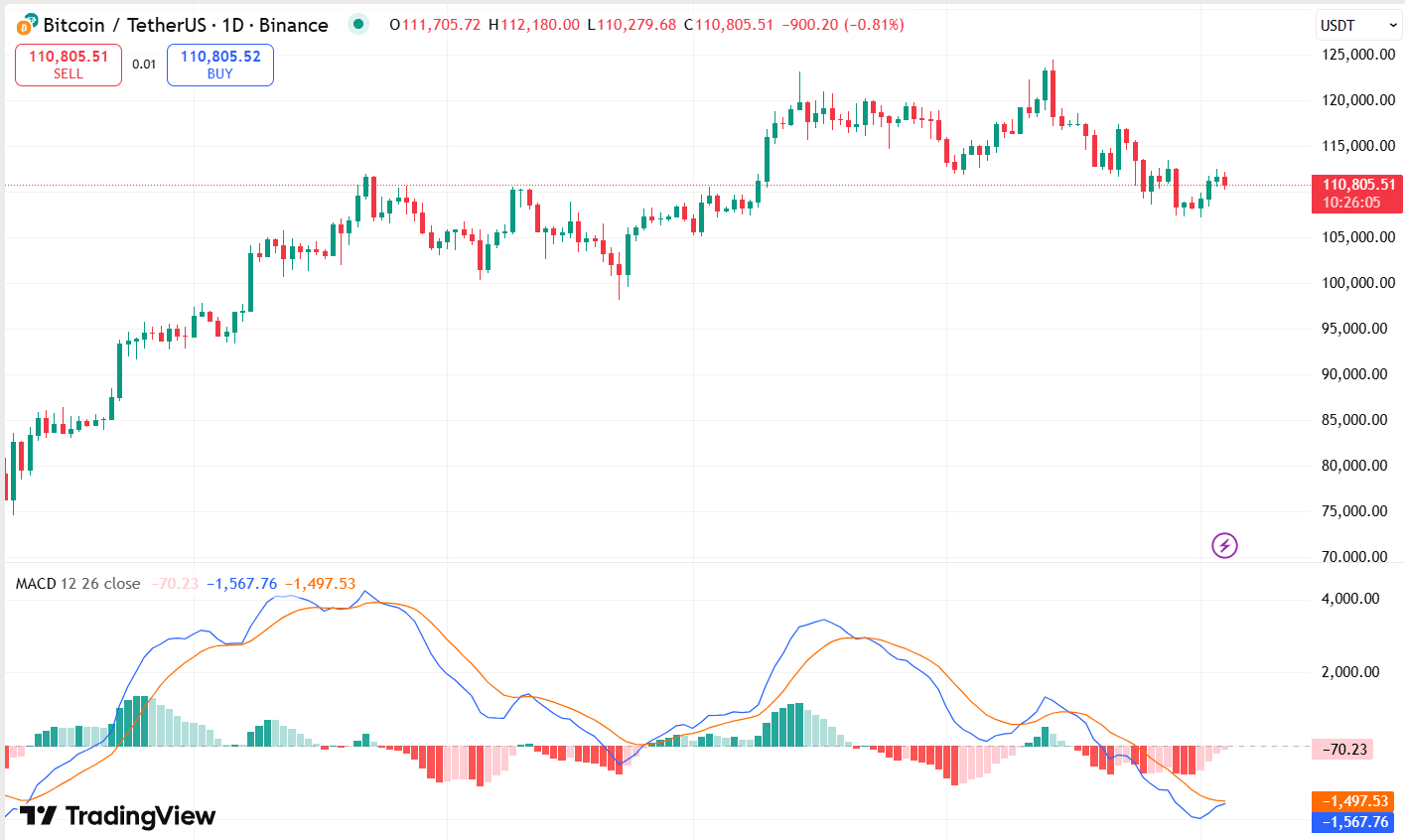
3. MACD (Moving Average Convergence Divergence)
What it is: A tool that tracks the relationship between two EMAs.
How to use it: When the MACD line crosses above the signal line, it can indicate bullish momentum. When it crosses below, bearish momentum may follow.
Pro tip: MACD works best in trending markets, not sideways ones.
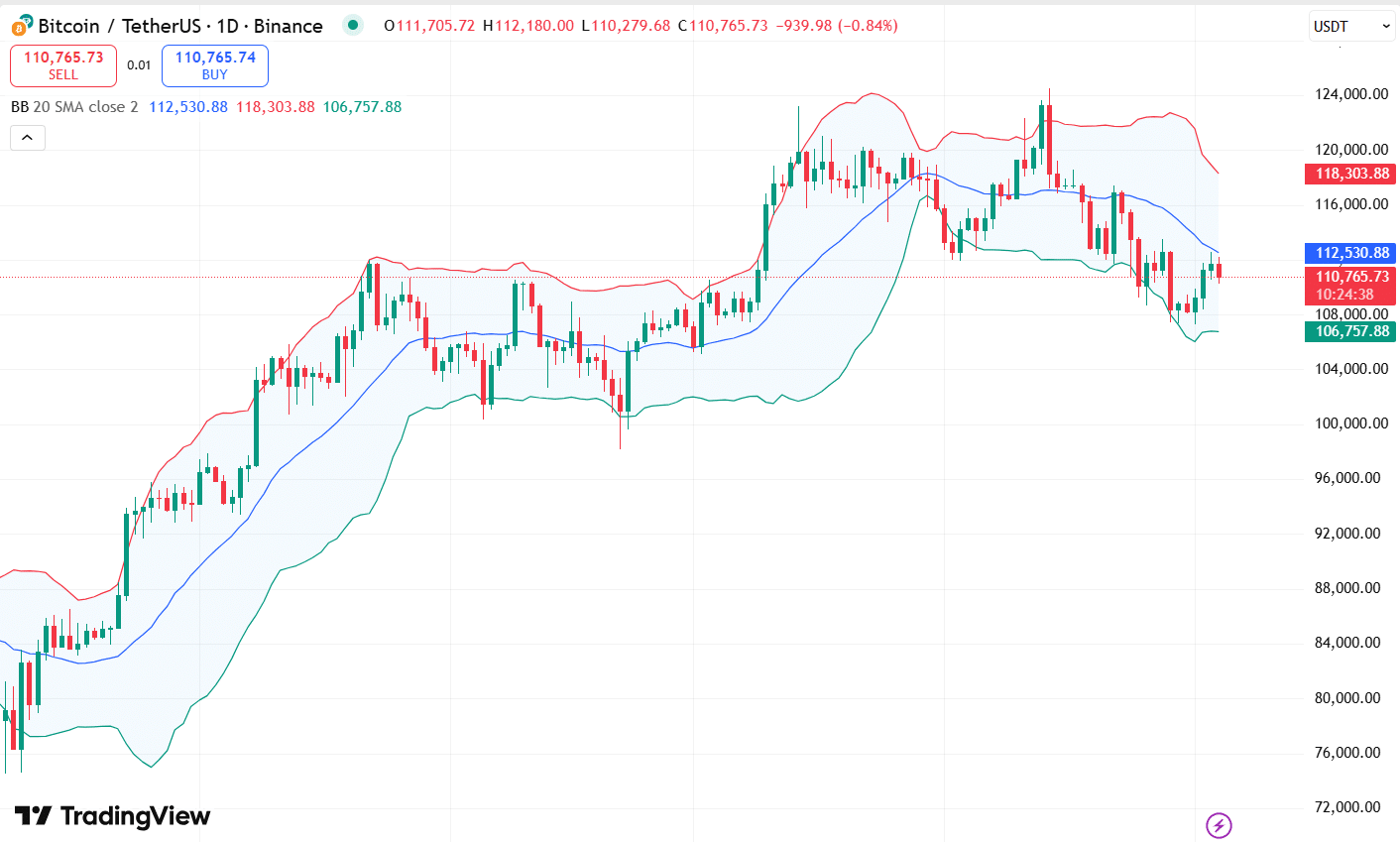
4. Bollinger Bands
What they are: Bands plotted around a moving average that expand or contract based on market volatility.
How to use them: When price touches the upper band, the asset might be overbought. When price touches the lower band, it might be oversold.
Pro tip: Bands tightening often signals a big move is coming.
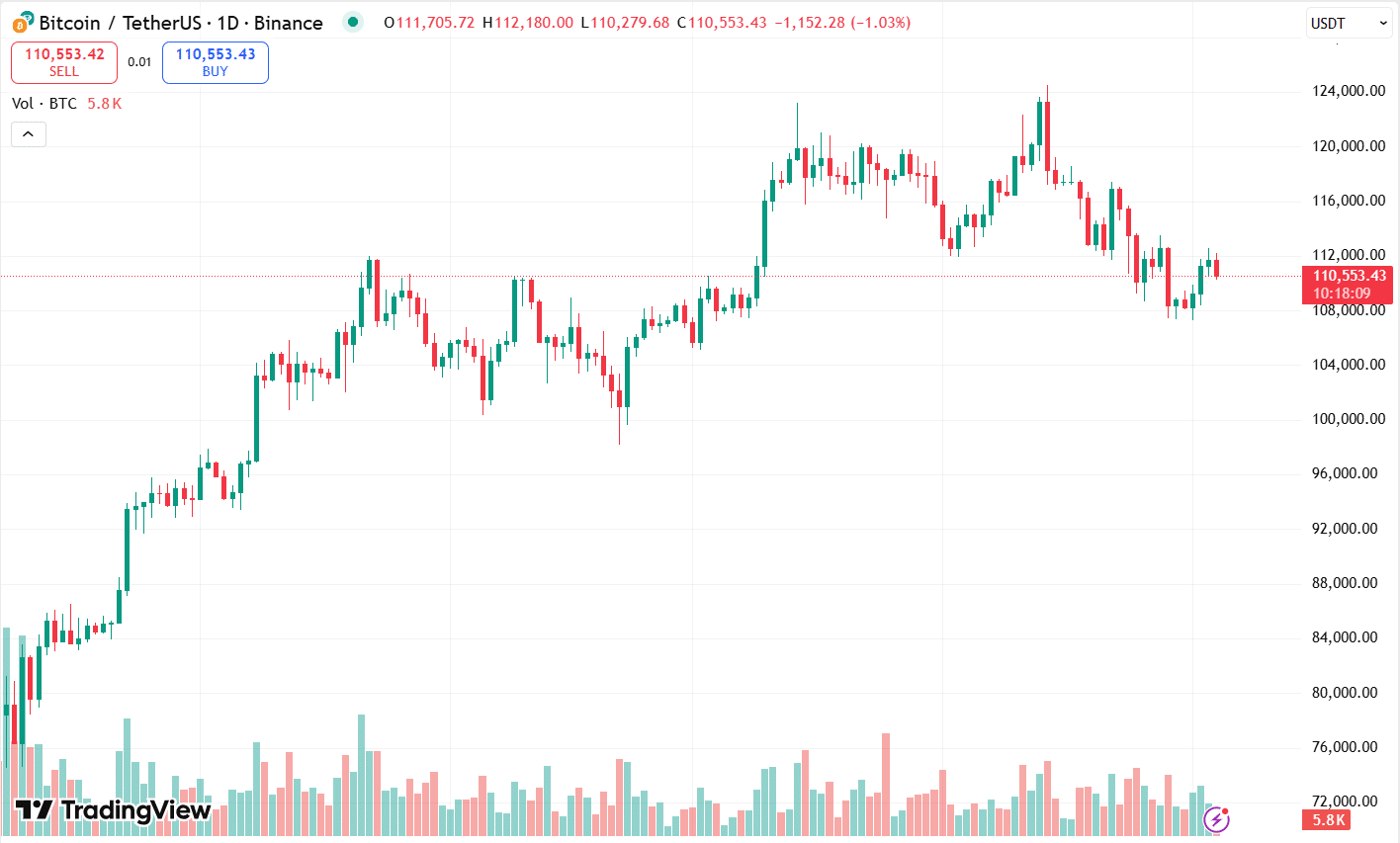
5. Volume
What it is: The number of coins traded during a specific time frame.
Why it matters: A price move backed by high volume is stronger than one with weak volume.
Pro tip: Use volume spikes to confirm breakouts or trend reversals.
Putting It All Together
Here’s the key: no single indicator should dictate your trade. The real power comes when you combine them for a clearer picture.
Example:
Use moving averages to identify the trend.
Check RSI to see if the trend is overextended.
Look at volume to confirm the strength of the move.
This layered approach reduces false signals and makes your crypto trading analysis more reliable.
Avoiding Common Mistakes with Indicators
Even experienced traders slip up. Here are some pitfalls to watch out for:
Overloading charts: Too many indicators can confuse more than clarify. Stick to 2–3 solid ones.
Ignoring market context: Indicators don’t account for news like SEC regulations or exchange hacks. Always keep an eye on the bigger picture.
Forcing trades: Just because RSI says “oversold” doesn’t mean you have to buy. Wait for confirmation.
Practical Tips for American Traders
Choose reliable platforms: Binance.US, Coinbase, and Kraken all offer advanced charting tools.
Stay updated: The U.S. crypto market is heavily influenced by regulation. Always check for policy changes before making moves.
Set alerts: Most platforms let you set price or indicator alerts, so you don’t have to stare at charts all day.
Final Thoughts
Learning how to use indicators for technical analysis in crypto is like learning a new language—it feels strange at first, but with practice, it becomes second nature.
The goal isn’t to predict the market with 100% accuracy (nobody can). Instead, it’s about stacking probabilities in your favor so you can make smarter, more confident trades.
Start small, keep your charts clean, and always combine technical analysis with common sense. Over time, you’ll find a trading style that works for you—and that’s when crypto trading gets really exciting.
