
In the crypto world, everyone's asking: Have we reached the top, or is there more to gain? Some think we missed the boat, but others believe the biggest gains are still ahead.
Crypto cycles are complex and don't follow a set pattern. They overlap, extend, and sometimes it's tough to know where one ends and the next starts. Market conditions, not dates, control these cycles.
So, instead of asking, “Is the cycle over?”, a better question is: Are the growth factors still present? Or are they disappearing?
In the market, price movement reacts last. Money and desire come first.
Crypto Cycles: Not as Predictable as You Think
People often look for patterns in markets. One common idea is that Bitcoin follows a four-year cycle. This was true in the past, but it's not as reliable today.
The old cycles happened when crypto was simpler. Now, things are more complex because:
- New ways to handle money keep popping up.
- Big companies are joining in.
- Crypto is now used globally.
We might not see the same clear ups and downs we used to. Cycles could be longer or overlap. Rises might start later or keep going into the next cycle.
So, don't rely too much on old timelines when it comes to crypto.
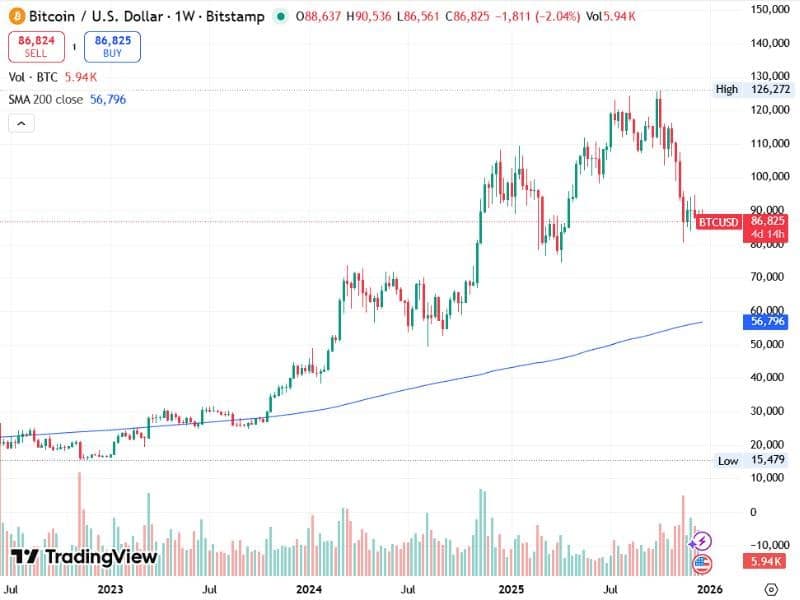
Liquidity Comes First, Price Later
In crypto, huge price increases usually don't come from loud announcements or breaking news. They usually begin quietly as the money situation shifts.
Risky investments don't do so well when money is tight. Think higher interest rates and less extra cash. People get nervous and hold back, which slows things down.
When things get better, people change how they act. Money begins to flow back into riskier investments. People look for gains again, and money goes into assets that do well when the economy improves.
Crypto is a very risky investment, so it overreacts to these changes.
A great way to see this happen is by watching the Federal Reserve’s balance sheet. When it gets smaller, money is leaving the system. When it gets bigger, things are easier, and money builds up.
It doesn't matter what you call it: quantitative easing or reserve management. What matters is what it does.
When the balance sheet gets bigger, the system gets more fuel, which usually sets up the next big price move.
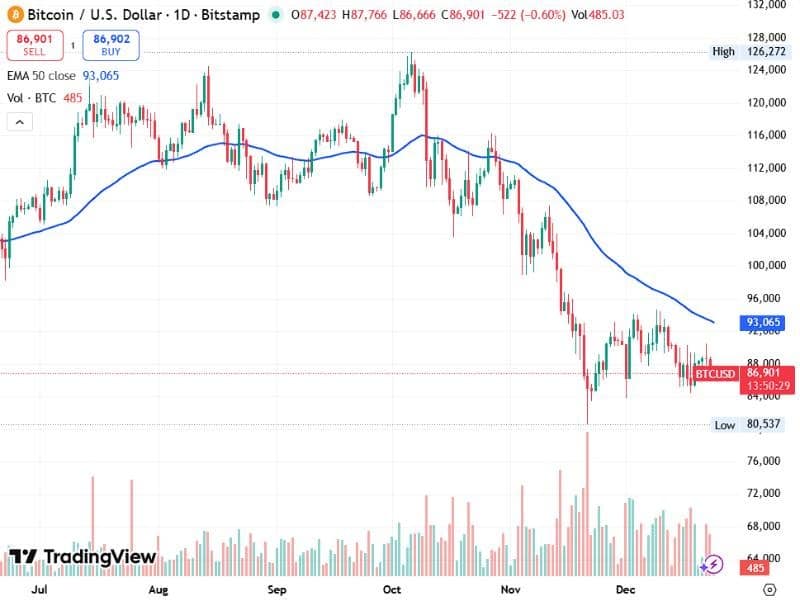
Bitcoin's Strength When Things Get Tough
Bitcoin has shown it can hold its own even when things get tough.
Even with high interest rates and less money floating around, Bitcoin bounced back from its low point. This kind of comeback isn't just based on guesses.
It points to:
- People investing for the long haul
- A market that's growing stronger
This is important because if something can grow stronger when times are difficult, it can go really far once things improve.
That’s when markets usually shift from slowly building up value to prices rising faster.
What Makes Markets Tick: It's All About What Drives People
Markets don't just stop because of theories. They move based on what people want and what motivates them.
When growth slows, or people lose confidence, leaders usually don't overreact. Instead, they keep things steady and offer support. This approach makes it easier to get money, reduces worries, and gets investors interested in riskier plays.
Crypto often moves even more when these things happen, compared to other types of investments.
So, even if the price looks stable now, changes might already be happening behind the scenes.
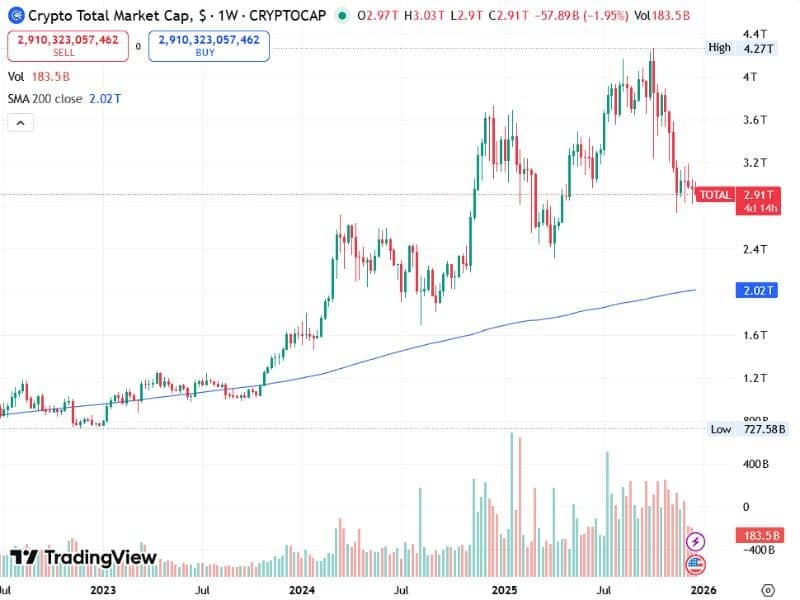
Institutional Adoption Moves Forward
In prior cycles, just one nod from a big institution could send markets soaring. Today, things have changed.
Now, it seems like institutions are really getting involved:
- They're building the base.
- Partnerships are getting stronger.
- People are looking into tokenization and on-chain tools.
This isn't just a fad. This is planning for the future. And that's a key difference.
Beliefs Vs. What's Really Happening
Crypto development is moving fast, but the market's opinion hasn't quite caught on. This difference between what's being created and what people think is often what leads to large price changes.
Cycles usually end when everyone feels safe, and risk seems to disappear. That only occurs after widespread belief takes hold.
Today, some doubt still exists. Doubt when things are getting better often points to early growth, not the end.
Quit Trying to Predict Prices—Here’s a Better Idea
It's easy to get caught up in price predictions and future values. But the truth is, markets are hard to figure out and don't follow schedules.
A better approach is to keep an eye on what actually moves prices: things like liquidity, regulation changes, and how people are really using the product or service.
These factors tend to move before prices do, giving you a sense of where the market is headed, mostly when it's not so clear.
If these factors look strong, the market has the ability to grow. This could mean the current trend continues or a new one is starting. Either way, paying attention to these drivers is a smarter move than just looking at price charts.
