
What It's Like to Trade Crypto Live
Trading crypto with real money just hits different. When the market moves, you'll likely find yourself caring way more than you thought you would. Even a small price change can make you doubt yourself, and one news story can mess up your whole plan. It's wild how fast it gets to you.
And the stress? So real. There's no going back or fixing mistakes. You make a decision, and that's it, for better or worse. That alone changes how you think when you're trading.
A paper trading account can't give you that experience, but live trading will. In this guide, we'll talk about what that change feels like and how to begin without risking too much.
What Is Crypto Live Trading?
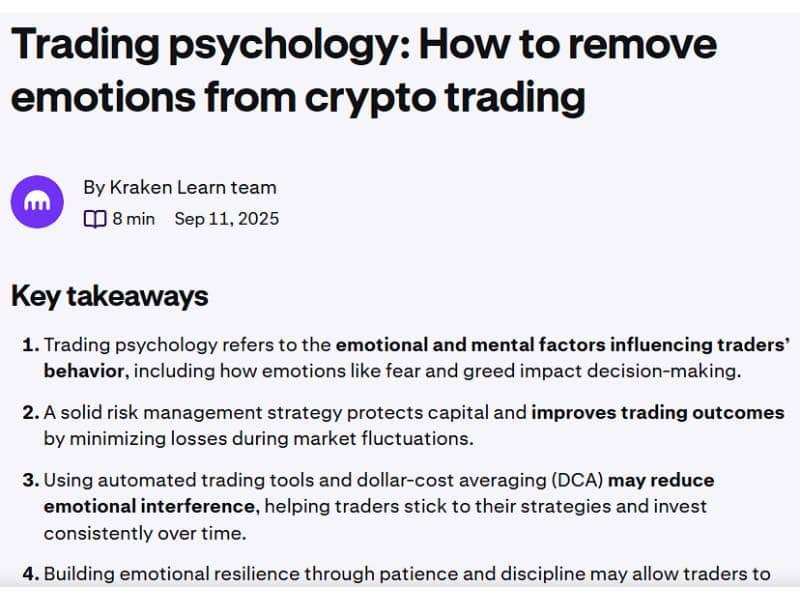
Live crypto trading means buying and selling for real on exchanges like Binance, Coinbase, Bybit, or Kraken, using actual money. When you make a trade, it happens quickly, and you see the impact on your account right away. Since it’s your own money, the stress can be intense. Traders soon feel things like fear, excitement, and worry—things you don’t really feel with paper trading.
Dealing with these feelings is a big part of being a good trader. When trading for real, staying calm is very important. Making quick decisions without thinking can cost you. And getting too scared or too excited can get in the way. Every trader has to learn how to handle these ups and downs.
Ready to Trade Crypto for Real?
Paper trading is good for practice, especially if you're new to crypto. You can learn how an exchange works, try out simple strategies, and see how orders are placed. But it’s not the same as trading with real money. When it's not your actual cash, you don't worry as much when a trade goes wrong, and you don't get too excited when you win. Price charts also don't seem as important in a practice account.
That's why you'll eventually want to trade with real money. When you use real funds, you learn how you deal with stress, sudden market changes, and surprises. You'll see if you can stick to your plan, or give up when things get hard. The best part is, you learn faster because every choice counts. Wins feel good, losses sting, and that's how you grow as a trader.
Getting Started with Real Crypto Trading
1. Choose the Right Exchange
When you’re set to trade with real money, your choice of platform matters a lot. Look for one that’s secure, offers competitive prices, has easy-to-read charts, and a useful mobile app. The site should have enough activity to ensure your trades are filled quickly, notably during volatile times. Many traders depend on Binance, Coinbase, Kraken, and Bybit for their dependability and ease of use.
2. Start Small
Once you've chosen an exchange, put some funds into your account. It's a good idea to begin with a small amount that you're okay with losing. Consider it an investment in learning the ropes. Starting small reduces stress and lets you gain knowledge from doing. Plus, it helps you stay calm, which is important to avoid panicking if you face losses early on.
3. Getting to Know Charts
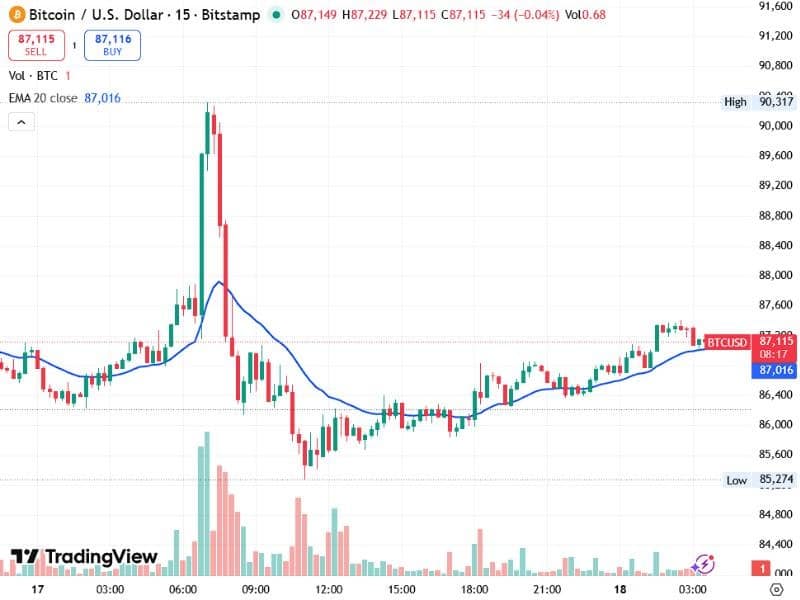
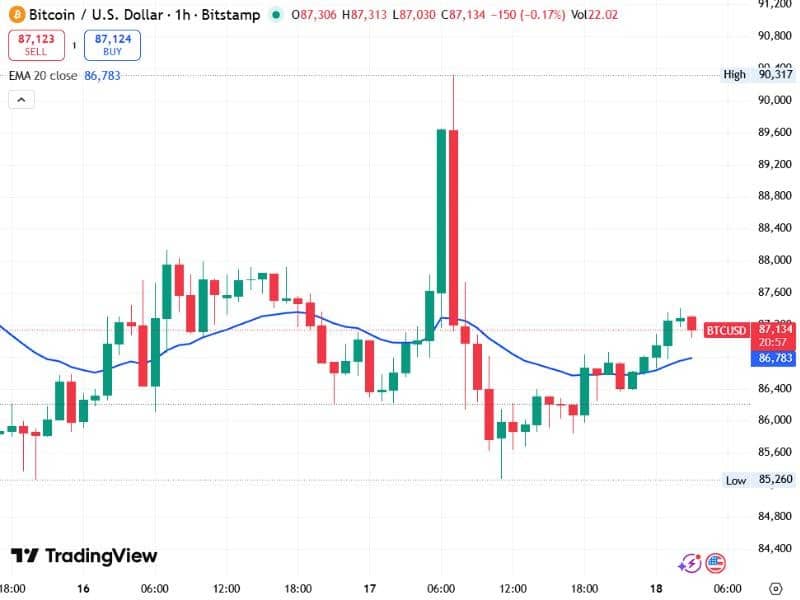
Before you trade, get comfy with charts. It doesn't need to be fancy. Just learn what candlesticks mean and how trends develop. Support and resistance might seem tricky, but they're just price levels the market often reacts to.
Try out simple indicators, like a moving average or RSI. They're not magic, but they can show if the market is strong or weak. When you're starting, even this small amount of info can make trading easier to understand.
4. Trade with a Strategy
Trading without a strategy is risky. Before each trade, decide on your entry price, profit targets, and stop-loss levels. This manages risk and reduces emotional errors. Knowing your limits will prevent you from making quick decisions when prices fluctuate quickly.
Simple Rules for Live Crypto Trading
First off, handle your risk. Good traders tend to only risk a small part of their money, like 1-2%, on any single trade. That way, even if you have some losing trades, you can keep going. Beginners who bet too much often lose it all before they get the hang of things.
Also, don't feel like you need to jump on every single opportunity. There are tons of chances in crypto, and you don't have to take them all. If you react to every small price move, you’re letting the market boss you around, instead of sticking to your plan. Staying level-headed is a big part of winning in the long run. Getting caught up in FOMO, trying to make up for losses, selling in a panic, or being overconfident are common errors. Keep your feelings in check, and trading can become a real skill.
To Sum Up
Trying out paper trading can show you the basics, but live trading really teaches you how it all works. The difference is dealing with real feelings, the stress, and how well you can hold on to your money. Start small, keep learning, and don't expect to get rich quick. If you try to improve, the profits will follow.
