
Crypto investors often discuss the importance of knowing when to buy, but the importance of knowing when to sell is often overlooked. This can cause people to lose the money they’ve earned. Today, we'll discuss how to plan your exit strategy, which helps you keep your profits.
Crypto Investors: Why You Need a Solid Exit Strategy
Buying crypto is easy, but selling? That's where many people stumble. They freeze up, panic, or just follow the herd.
For lasting crypto success, decide beforehand when to take profits, how long you'll hold, and which price points matter.
Ask yourself:
- Do I have a plan for selling?
- Am I holding for months, years, or the entire market cycle?
- Have I picked my target prices?
- Do I have a plan, or am I just going to wing it?
If you don't make these choices now, the market will decide for you.
Control Your Investment Timeline, or the Market Will
Many say they're long-term investors, but when the market drops just 10%, panic sets in.
Holding for the long haul often means sticking with it through three to four years of:
- Things being boring
- The market staying flat
- Feeling scared
- And then, the market suddenly going crazy
If you don't decide how long you're going to stay in, your feelings will take over, and that's when you lose big.

Don't Fall For the Pump: Stick to Your Plan
One mistake we see a lot is people selling a project they actually believe in, all to chase after some coin that's already shot up in value.
It goes something like this:
You're holding a coin that's been pretty quiet.
Then you hear about another coin that's supposedly going to explode.
So, you sell your original coin.
You buy the newly popular coin that's already up 300%.
Then the pumped coin falls.
And wouldn't you know it, the coin you sold suddenly takes off.
This is the classic FOMO (fear of missing out) trap, and it can mess up your investments faster than you think.
Our approach is simple: If a project hasn't hit our goal yet, we don't change anything. No amount of hype or influencer talk should change your strategy.
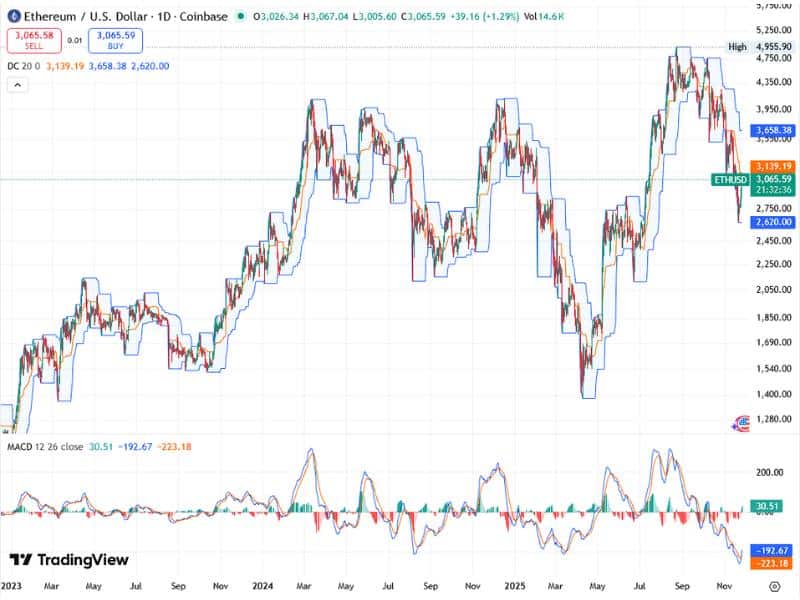
Exit Strategies: Keep it Real with Data
Solid exit plans should rely on data, not just guesses.
Things change fast. Even those in the know might change their minds when they get new info.
But when it comes to people? They are usually easy to predict.
That’s why good exit plans come from understanding what the market is actually doing. Keep an eye on:
The state of the market right now
Important price levels
The trend over time
How traders feel in general
Where money is going
These things tell you more about your position than anything else.
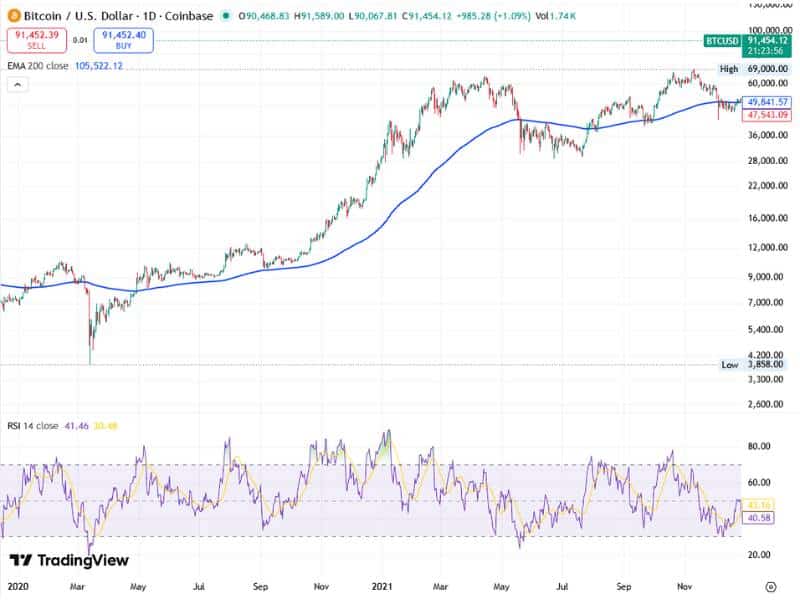
That Last Market Surge? It Always Feels Like the Start of Something Big
Here's a surprise for many:
The final market surge in a cycle often feels just like the start of a huge bull run.
It seems:
Secure
Thrilling
Like it can't be stopped
And that's why folks don't sell.
Historically, these final, exciting jumps are the last good chance to cash in profits before things go down.
If you don't plan ahead, emotions will kick in and you'll miss the peak.
Ready Your Selling Game Plan
When the market is unstable, it's easy to get distracted and make bad calls. That's why a selling plan is so important.
A good plan helps you:
Set price goals
Choose between selling little by little or all at once
See early signs that things are slowing down
Avoid panic decisions when things get wild
Think of it as getting ready early, so you aren't running around when things get crazy. It's easier to feel sure when you already know what to do.
Your Exit Strategy Checklist
Before the peak hits, ask yourself:
What price am I selling at?
Will I scale out in stages?
What indicators signal momentum is fading?
How will I avoid falling for hype during the parabolic run?
If you can’t answer these questions yet, now is the time — not during the pump.
