
Bitcoin's Real Value: It's Here for the Long Haul
We're always hearing about Bitcoin's crazy price changes, the hype, and whether it's a bubble about to pop. But that makes us miss something important: Why is Bitcoin still around when so many banks and governments aren't so steady?
Bitcoin's not sticking around because of hype. It's about how it works. Its strength comes from how it's made, the rules it follows, and how little it depends on trusting certain people. Stop thinking about trading for a minute. To see why Bitcoin lasts, think of it as a system.
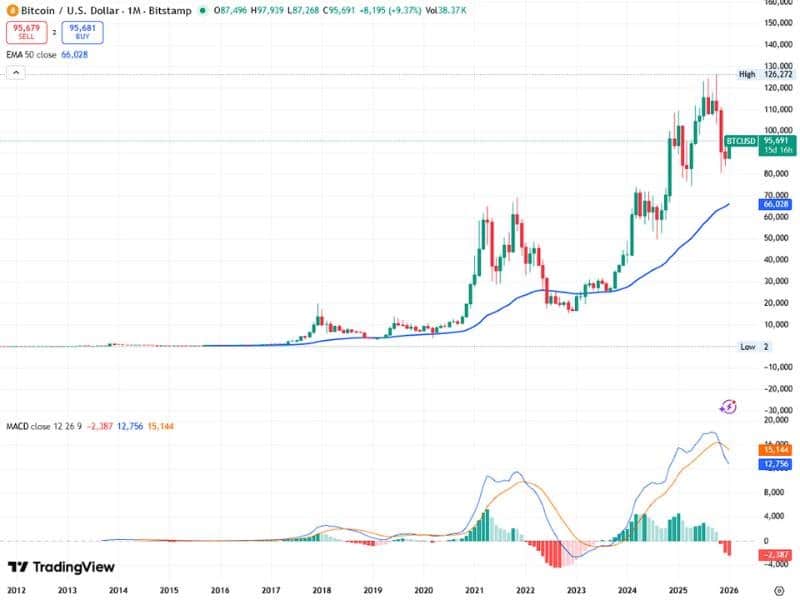
Bitcoin: Not Just a Way to Make a Quick Buck
Many think Bitcoin is just a fad, something that goes up and down at a moment's notice. But it's proven it can handle the market swings, regulations, worries, and tech changes.
This becomes clear when you see Bitcoin as a money system run by rules, not some central authority.
Usually, the systems that last aren't the most exciting. They're the ones that rely less on people's choices and more on keeping things consistent. Governments come and go. Companies change. Laws get rewritten. Systems that reward those who participate tend to last longer than those that are just based on trust.
Money works the same way.
What History Tells Us About Money
Throughout history, the forms of money and distribution that lasted the longest were the ones that were resistant to outside change.
Gold stuck around because it's impossible to make more of it – nature made it scarce. The internet's still here because no one person controls it. It's strong since it's open and spread out.
Bitcoin works the same way.
It's not a company, platform, or some guarantee. Bitcoin is just software that anyone can use and check out. No one's running the show. It works because people agree on the rules.
Bitcoin: Code is King
Bitcoin works because of its code, not because someone said so.
Bitcoin is powered by lots of computers all over the world. These computers always check transactions, verify blocks, and make sure everything follows the rules. If something doesn't follow the rules, it's turned down, period.
No one can just change things as they like. To make changes to Bitcoin, everyone needs to agree, which takes time. This is on purpose to keep the system from making fast, unsafe changes that could ruin trust.
This is a big reason why Bitcoin has been around for so long: it counts on rules that are clear and that everyone can understand, instead of orders from above.
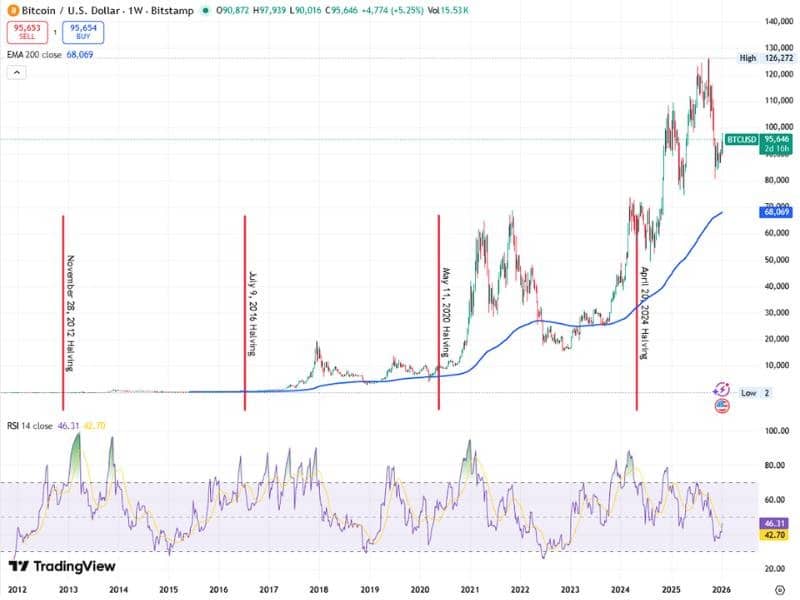
Scarcity: What Makes Bitcoin Special
One very important rule of Bitcoin is that its supply is limited.
There can only ever be 21 million Bitcoins. This is part of the system, and every computer checks to be sure new coins follow this rule.
This means no one can just print more money or secretly change the rules. If anyone tries to create new Bitcoin, it gets turned down.
It's not like regular money, where they can print more whenever they want. With Bitcoin, you know there's only so much, which builds trust because everyone can see and be sure of the rules.
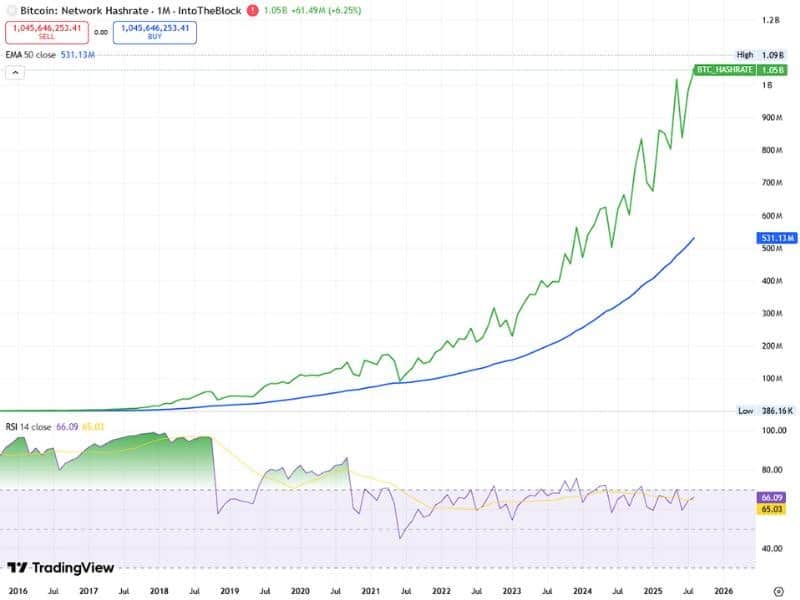
Why Bitcoin is Strong: No Boss Needed
Bitcoin's design creates a win-win for everyone involved.
Miners keep the network secure by verifying transactions, and they get Bitcoin as a reward. Node operators double-check everything, developers are always finding ways to make things better, and users get to use Bitcoin however they want.
There's no single point of control. Instead, everyone on the network shares the responsibility, which makes it really tough to break down. If someone drops out, the network keeps going. If a country tries to shut it down, it just moves somewhere else.
This balance is what makes Bitcoin special. It allows Bitcoin to constantly change and get better, and that's what sets it apart. It's more than just the price or how many people use it.
Bitcoin: The Road Ahead
Just because Bitcoin has staying power doesn't mean it's perfect.
There are tech and money issues to think about. Faster computers could mean its security needs an update. Software is never without risks. As mining rewards go down, transaction fees will have to keep the network secure.
Also, we have to think about who's involved. Big owners, institutions, and governments might try to influence things. Community disagreements can cause delays and problems.
Being decentralized makes Bitcoin strong, but it's not immune to everything.
Bitcoin's Edge: Predictability
Even with these issues, Bitcoin has a key advantage: It's predictable.
With Bitcoin, you don't have to trust promises, leaders, or policies. Its rules are clear, easy to verify, and tough to change. In a world of debt-based money, quick fixes, and shifting policies, being predictable matters a lot.
Bitcoin keeps improving without changing its core. Things like the Lightning Network speed up transactions while keeping the main system secure. New features can be added without disrupting the basics.
The Bottom Line: Built to Last
Bitcoin is durable because it wasn't designed for short-term speed, ease, or popularity. It was made to be neutral, reliable, and resistant to control.
Its strength is in its design, not hype. It's in the rules, not promises. It's in community participation, not leadership.
That's why Bitcoin is still here when other systems fail.
