
Crypto moves fast. What worked in 2021 feels outdated today. Exchanges evolve, regulations shift, and new technologies pop up almost overnight. Naturally, crypto education is evolving too.
If you’re serious about understanding digital assets — whether as a trader, investor, developer, or just a curious learner — it’s important to pay attention to how crypto learning itself is changing.
Here’s what’s shaping the future of crypto education in 2026 and beyond.
1. Structured Learning Is Replacing “Random YouTube”
For years, most people learned crypto by bouncing between YouTube videos, Reddit threads, and Twitter posts. That worked… kind of. But it also created confusion and misinformation.
Now, learners are demanding structure.
Instead of “10 coins that will explode tomorrow,” platforms are organizing content into clear paths:
- Beginner foundations (blockchain basics, wallets, security)
- Intermediate skills (technical analysis, risk management)
- Advanced strategies (derivatives, macro cycles, on-chain analysis)
The shift is from hype-driven content to skill-based education. And that’s a healthy sign.
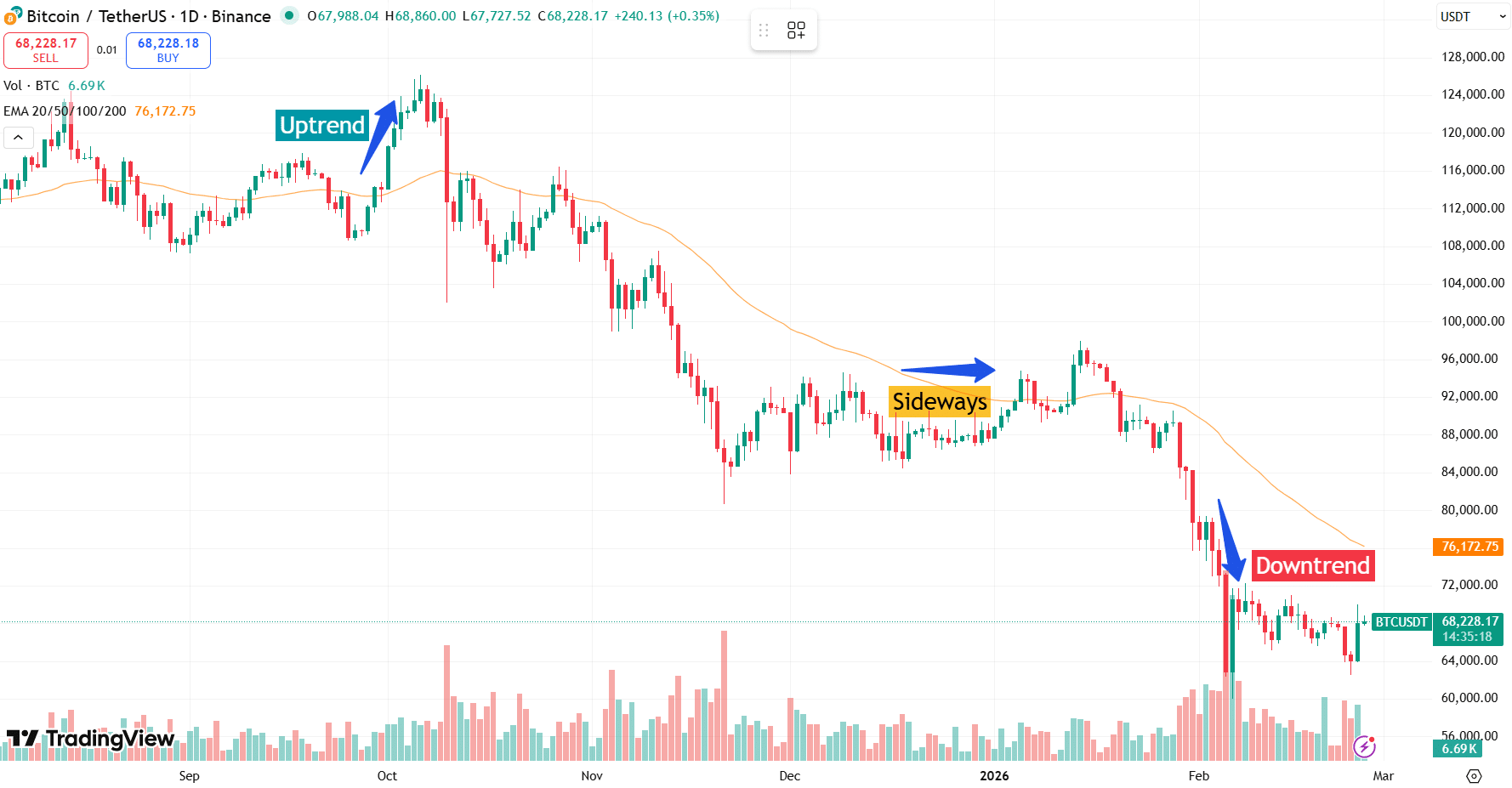
2. Interactive Learning Is Taking Over
Reading PDFs and watching long lectures isn’t enough anymore.
In 2026, crypto education is becoming more hands-on. Expect to see:
- Interactive charting simulations
- Practice trading dashboards with fake capital
- On-chain explorers built into lessons
- Gamified quizzes that test real understanding
Instead of just explaining what support and resistance are, platforms now let you mark levels yourself and see how price reacts.
Learning by doing sticks better. The industry is finally catching up to that reality.
3. AI-Powered Learning Assistants
Artificial intelligence is quietly transforming how people learn crypto.
Modern platforms are beginning to use AI tools to:
- Explain confusing market terms in simpler language
- Break down complex charts step-by-step
- Create personalized learning paths
- Provide instant feedback on trading mistakes
Imagine uploading your trading journal and getting insights about your biggest weaknesses. That’s no longer futuristic — it’s already happening.
The future of crypto education won’t just be static videos. It’ll feel more like having a personal coach available 24/7.
4. Focus on Risk Management Over “Moon Calls”
The culture is changing.
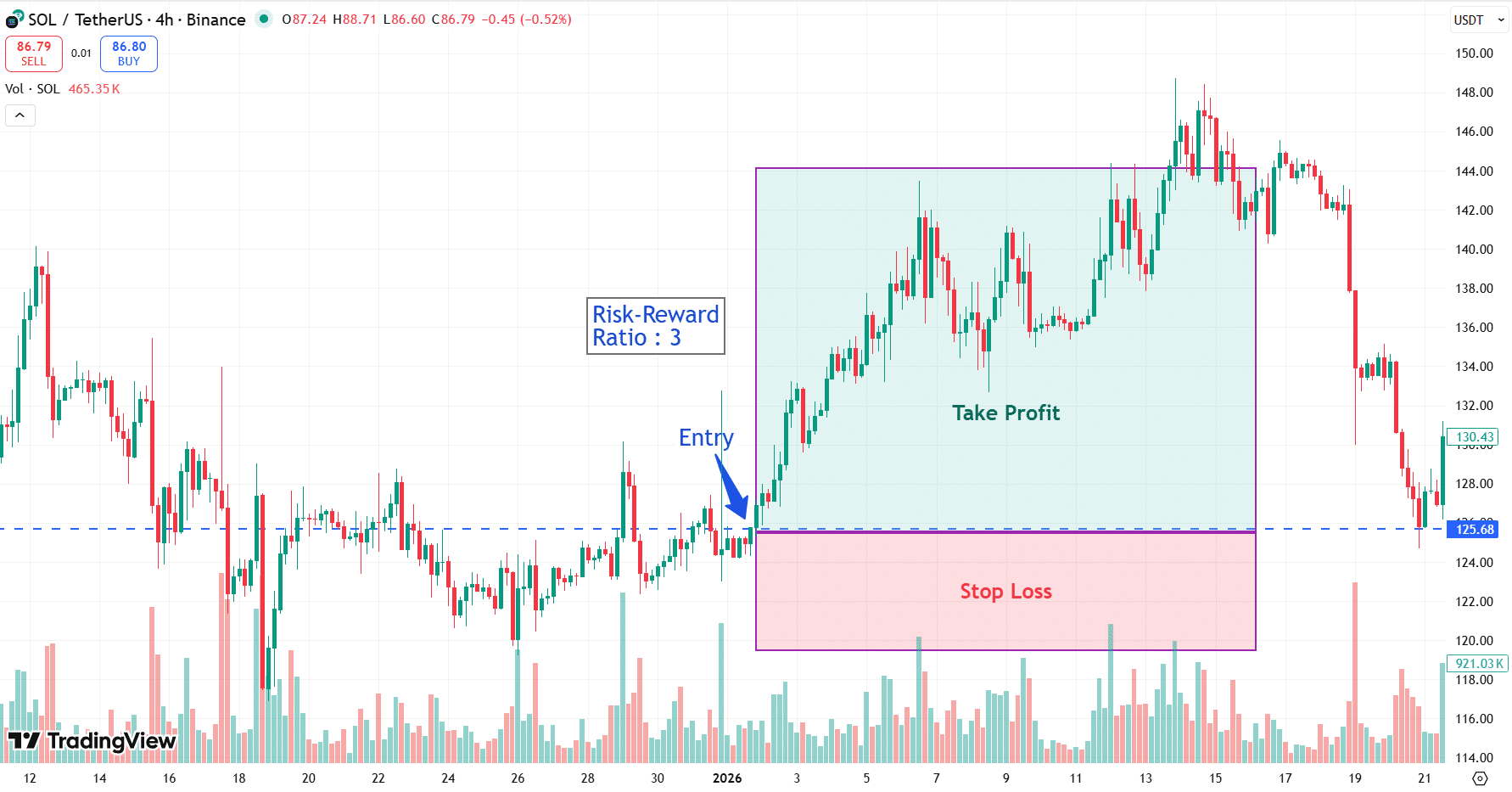
A few years ago, crypto education often revolved around finding the next 100x token. Today, more platforms are emphasizing:
- Position sizing
- Stop-loss strategies
- Risk-to-reward ratios
- Emotional discipline
- This is a major shift.
As the industry matures, learners are starting to realize that survival matters more than hype. The educators who focus on sustainability rather than shortcuts are gaining more trust.
And that’s likely to continue well into 2026.
5. Regulation and Compliance Education
As crypto becomes more regulated in the United States and globally, educational programs are adapting.
More courses are now covering:
- Tax reporting basics
- Regulatory frameworks
- Security and compliance
- Legal risks in DeFi and NFTs
Crypto isn’t the Wild West anymore. Learners want clarity. They want to understand the rules — not just the charts.
Education is expanding beyond trading and into responsible participation.
6. Micro-Learning for Busy Professionals
Not everyone has time for a 20-hour masterclass.
A big trend heading into 2026 is micro-learning:
- 5-minute concept breakdowns
- Short case studies
- Quick chart reviews
- Daily bite-sized lessons
This format fits modern life better. You can learn about market structure during a lunch break or review risk management principles before bed.
Platforms that adapt to shorter attention spans without sacrificing quality will thrive.
7. Community-Based Learning
Crypto has always been community-driven, but education is becoming more collaborative.
Expect to see:
- Private member groups
- Live chart breakdown sessions
- Peer trading reviews
- Real-time Q&A workshops
Learning doesn’t feel isolating anymore. It feels interactive.
When students can ask questions and see others make (and fix) mistakes, growth accelerates.
8. On-Chain Education Becoming Mainstream
In the past, only advanced users talked about on-chain data. Wallet flows, exchange reserves, token supply metrics — it was niche.
Now it’s becoming standard.
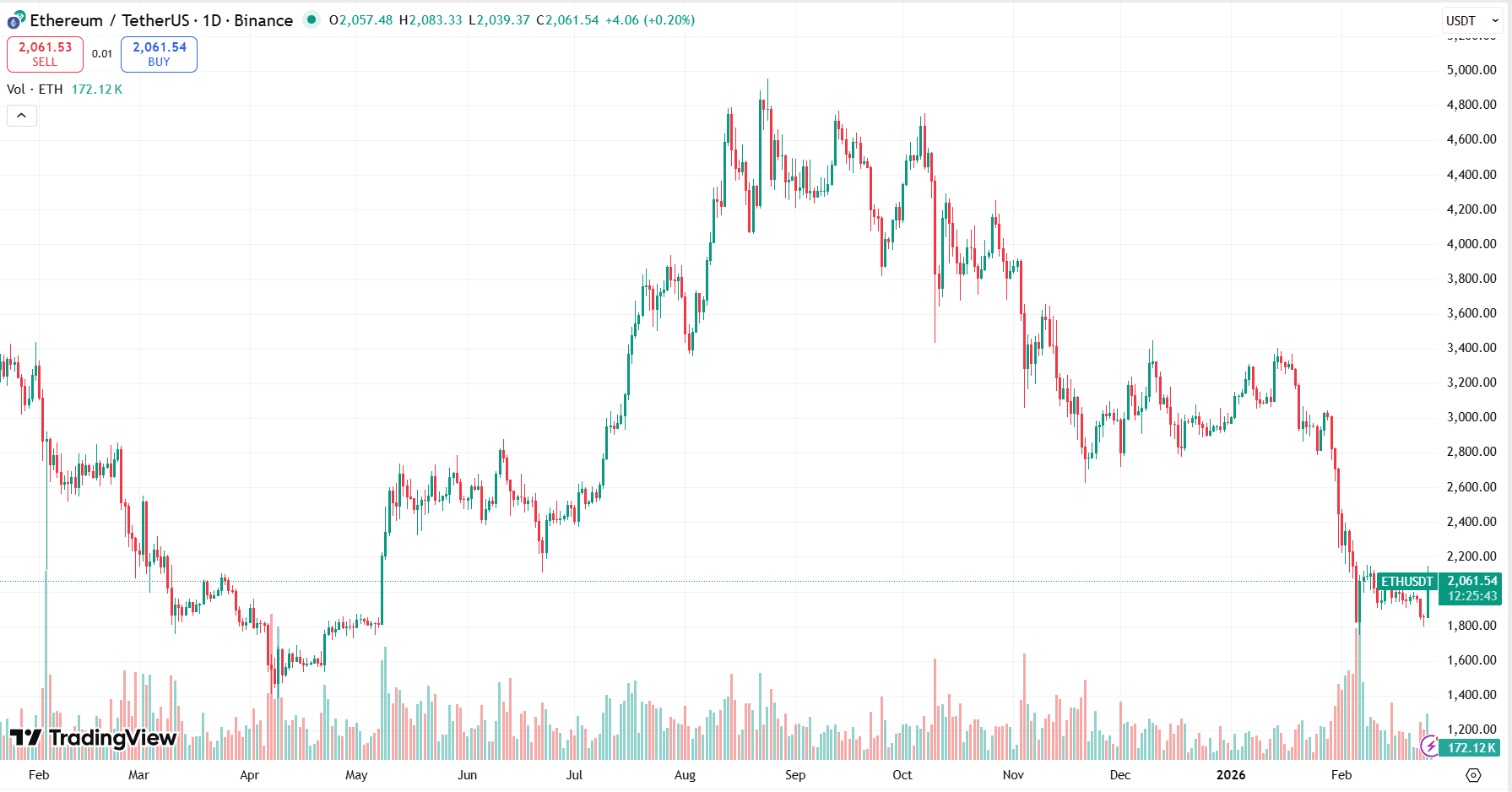
Education platforms are integrating on-chain analytics into beginner and intermediate courses. Instead of just reading candles, learners are understanding:
- Where liquidity is moving
- When accumulation might be happening
- How market cycles develop
As blockchain transparency increases, on-chain literacy will become a core skill.
9. Transparency in Educators
Another important trend: credibility matters more than ever.
In 2026 and beyond, students are asking tougher questions:
- Does this educator show verified track records?
- Are results realistic or exaggerated?
- Is there a clear curriculum?
- Are risk disclaimers visible?
The days of flashy marketing without substance are fading. Learners are more skeptical — and that’s a good thing.
Platforms that prioritize transparency will build long-term trust.
10. Cross-Skill Education (Crypto + AI + Web3)
- Crypto doesn’t exist in isolation anymore.
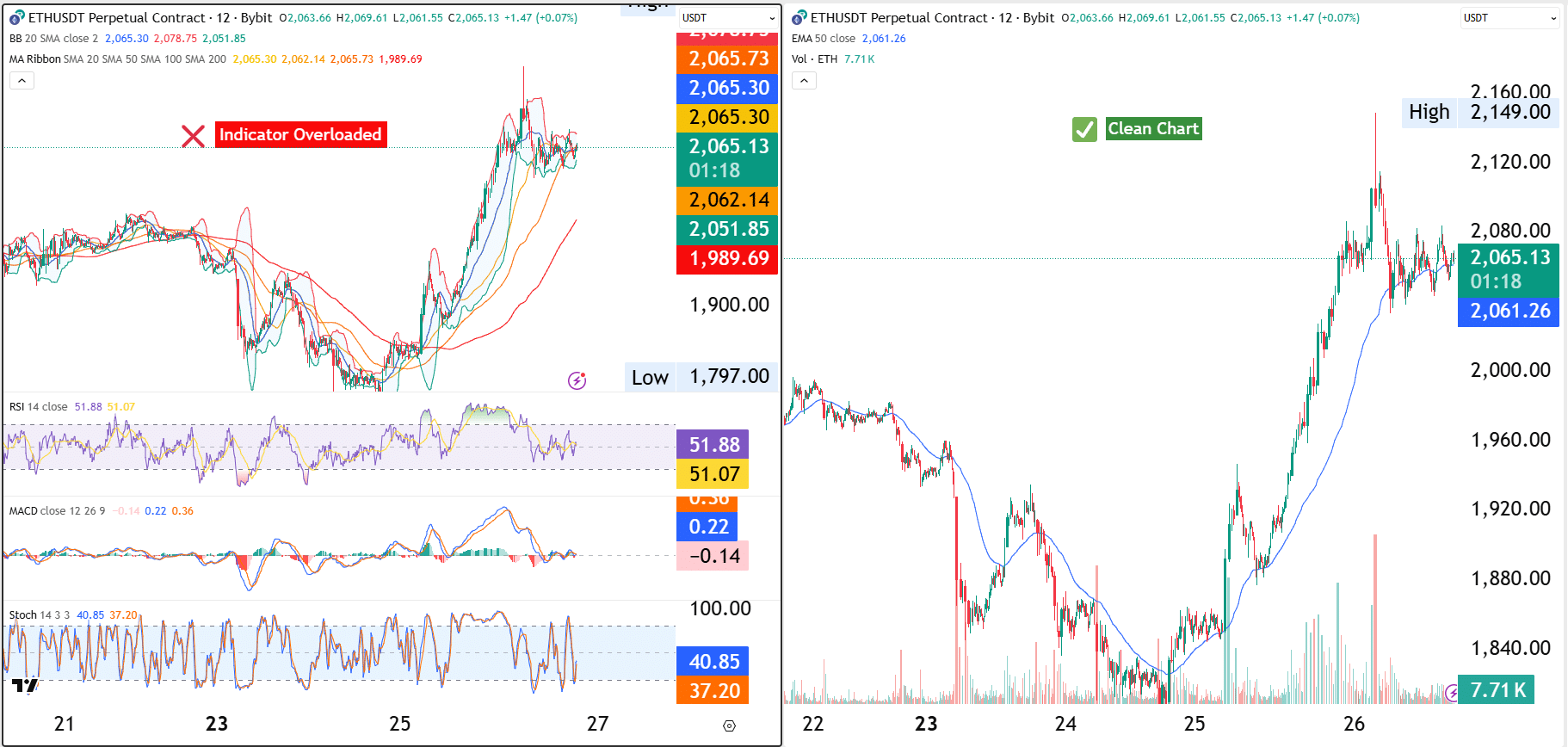
Education programs are beginning to blend: - Crypto trading + AI tools
- Web3 development + tokenomics
- Blockchain basics + cybersecurity
- DeFi + traditional finance concepts
The next wave of learners won’t just want to trade. They’ll want to understand ecosystems.
The future belongs to interdisciplinary education.
What This Means for You
If you’re exploring crypto education right now, here’s the big takeaway:
The industry is maturing.
Learning crypto in 2026 won’t look like chasing trends. It will look like:
- Structured paths
- Skill development
- Risk awareness
- Real data analysis
- Community support
- Tech integration
And that’s a powerful shift.
Final Thoughts
Crypto education is no longer about hype cycles or quick wins. It’s moving toward professionalism, structure, and long-term thinking.
As technology advances, the way we learn about blockchain and digital assets will continue to evolve. AI tools will personalize learning. Communities will deepen understanding. Risk management will become standard practice.
The future of crypto education isn’t louder; it’s smarter.
And if you’re paying attention to these trends now, you’ll stay ahead of the curve — not just in markets, but in knowledge itself.
